If you’ve recently started a keto diet, one of the first questions you’re probably asking is: how long does it take to get into ketosis?
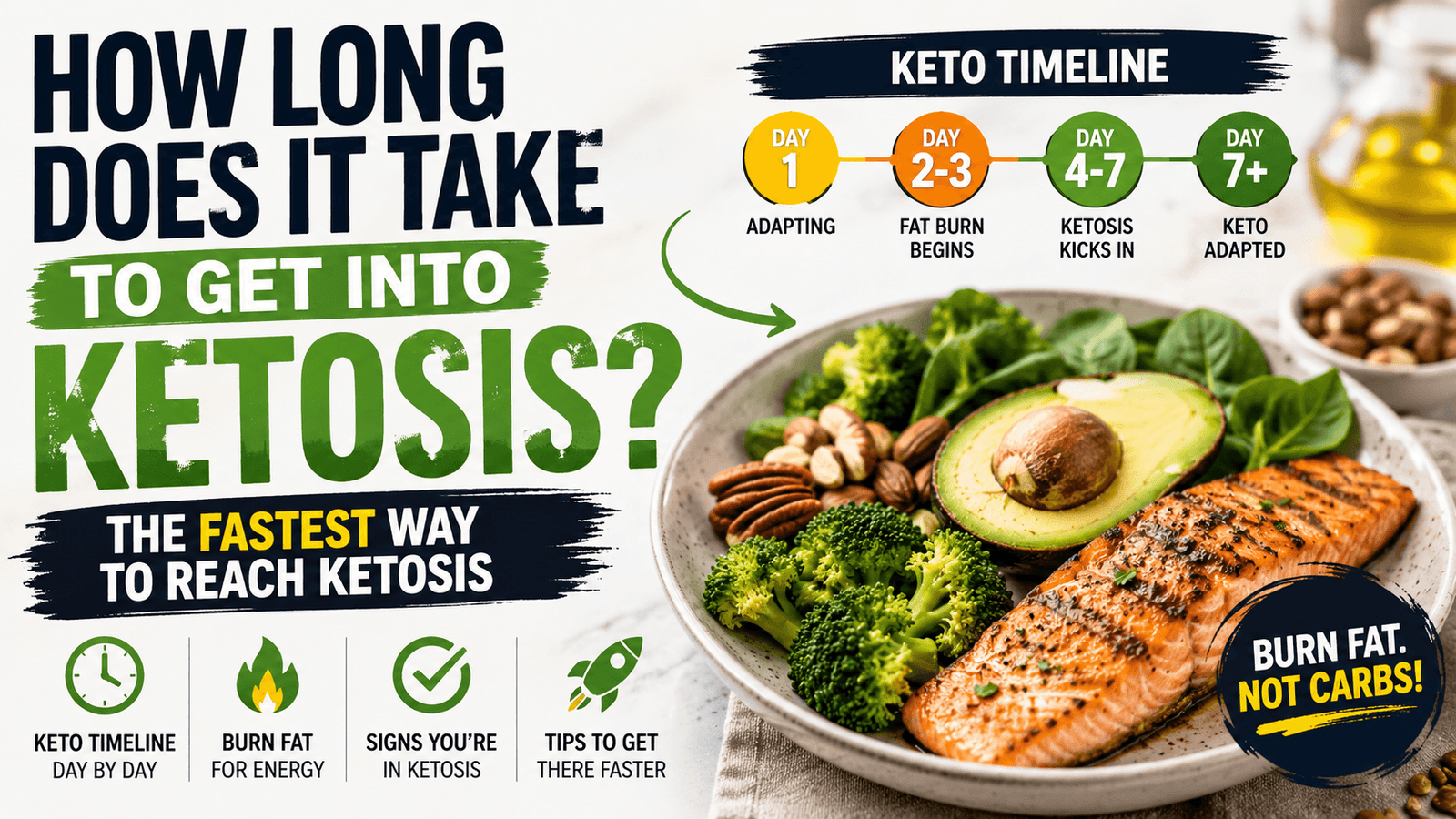
For some people, ketosis can begin within a couple of days. For others, it may take several days or even longer. Your carbohydrate intake, activity level, metabolism, previous diet, and individual body composition can all influence how quickly your body switches from using glucose as its primary fuel to producing and using ketones for energy.
The good news is that there are several things you can do to make the transition to ketosis smoother and potentially faster.
In this guide, we’ll explain how long it usually takes to get into ketosis, the signs that you’re entering ketosis, what can slow the process down, and practical ways to reach ketosis more efficiently.
What Is Ketosis?
Ketosis is a metabolic state in which your body relies heavily on fat and ketones for energy instead of primarily using glucose from carbohydrates.
Normally, your body gets much of its readily available energy from glucose. When you significantly reduce your carbohydrate intake, your body has less glucose available. Your liver then begins converting stored and dietary fat into molecules called ketones, which can be used as an alternative energy source.
This metabolic switch is the foundation of the ketogenic diet.
A typical keto diet emphasizes foods such as:
- Eggs
- Meat and poultry
- Fish and seafood
- Avocados
- Olive oil
- Nuts and seeds
- Cheese and other full-fat dairy
- Low-carb vegetables
- Healthy fats
At the same time, high-carbohydrate foods such as sugar, bread, pasta, rice, sweets, and many processed foods are greatly reduced.
How Long Does It Take to Get Into Ketosis?
For many people, nutritional ketosis can begin within a few days of significantly reducing carbohydrate intake. However, there isn’t one exact timeline that applies to everyone.
A commonly used keto approach limits carbohydrate intake to roughly 20–50 grams of net or total carbohydrates per day, depending on the individual and the specific diet plan.
Your transition may look something like this:
First 24 Hours
When you dramatically reduce carbohydrates, your body begins using up available glucose and stored glycogen.
Glycogen is stored carbohydrate found primarily in your muscles and liver. As glycogen levels decline, your body gradually increases its reliance on fat.
You may not be fully adapted to ketosis yet, but the metabolic transition has started.
24–72 Hours
During this period, ketone production can increase significantly as carbohydrate availability remains low.
Some people begin experiencing early signs associated with ketosis, such as:
- Reduced appetite
- Increased thirst
- Frequent urination
- Changes in energy levels
- Dry mouth
- A different taste in the mouth
However, these symptoms don’t prove that you’re in ketosis. Measuring blood or breath ketones provides a more direct way to assess ketone production.
3–7 Days
For many people, this is when nutritional ketosis becomes more established if carbohydrate intake has remained consistently low.
You may notice changes in appetite, energy, and food cravings. However, becoming ketotic and becoming fully keto-adapted are not the same thing.
Your body can begin producing ketones within days, while becoming comfortable using fat and ketones efficiently can take considerably longer.
7 Signs You May Be in Ketosis
Wondering how to tell whether your keto diet is working?
Here are some common signs people notice when entering ketosis.
1. Changes in Your Breath
One of the best-known signs is a change in breath odor.
Some people notice a fruity or slightly sweet smell. This can happen because your body produces acetone, one of the ketone bodies, which can be released through your breath.
2. Reduced Hunger
A ketogenic diet may change appetite and hunger levels.
As your body begins relying more heavily on fat and ketones, you may find that you can go longer between meals without feeling as hungry.
3. Frequent Urination
Early in a ketogenic diet, your body may release more water and sodium as glycogen stores decrease.
Because glycogen is stored alongside water, using up glycogen can contribute to increased water loss and more frequent trips to the bathroom.
4. Increased Thirst
The loss of water can also make you feel thirstier.
Staying properly hydrated is important when changing your diet, particularly during the early stages of keto.
5. Temporary Changes in Energy
Some people initially feel tired or less energetic while their body adjusts to a lower-carbohydrate diet.
Others may notice changes in energy fairly quickly.
This adjustment period is sometimes referred to as the “keto flu,” although it isn’t an actual influenza infection.
6. Fewer Carb Cravings
If you previously ate a lot of sugary or carbohydrate-heavy foods, you may notice that cravings gradually decrease after switching to keto.
This can make it easier to maintain your new eating pattern.
7. Ketone Measurements
If you want a more objective indication of ketosis, you can measure ketones.
Blood ketone meters are generally considered one of the more direct methods for measuring circulating beta-hydroxybutyrate. Breath and urine testing can also be used, although they measure different ketone markers and have limitations.
What Is the Fastest Way to Reach Ketosis?
If your goal is to reach ketosis efficiently, consistency matters more than trying extreme shortcuts.
1. Reduce Carbohydrates
The most important factor is limiting carbohydrate intake.
Focus your meals around low-carb foods and avoid obvious sources of carbohydrates such as:
- Sugary drinks
- Candy
- Cakes and cookies
- Bread
- Pasta
- Rice
- Most sugary breakfast cereals
- Sweetened sauces
Instead, build meals around protein, non-starchy vegetables, and healthy fats.
2. Choose Low-Carb Vegetables
Going keto doesn’t mean eliminating vegetables.
Non-starchy vegetables can provide fiber, vitamins, minerals, and other nutrients while keeping carbohydrate intake relatively low.
Good choices include spinach, broccoli, cauliflower, zucchini, mushrooms, cucumber, lettuce, and asparagus.
3. Eat Enough Protein
Protein is an important part of a well-balanced ketogenic diet.
Include appropriate portions of foods such as eggs, chicken, turkey, beef, fish, and other protein-rich foods.
Avoid the misconception that keto means eating unlimited amounts of fat while ignoring protein and overall nutrition.
4. Include Healthy Fats
Healthy fats can help make keto meals satisfying.
Examples include:
- Avocado
- Extra-virgin olive oil
- Nuts
- Seeds
- Olives
- Fatty fish
The goal isn’t simply to add as much fat as possible. Your overall calorie intake and nutritional needs still matter.
5. Stay Hydrated
Because your body can lose more water during the early stages of carbohydrate restriction, hydration becomes especially important.
Drink water regularly throughout the day and pay attention to your body’s thirst signals.
6. Stay Physically Active
Exercise can increase energy expenditure and may help your body use stored glycogen more quickly.
Walking, resistance training, cycling, and other forms of physical activity can all be useful additions to a healthy lifestyle.
However, don’t feel that you need to perform intense workouts just to “force” your body into ketosis.
7. Avoid Constantly Cheating on Carbohydrates
One of the easiest ways to delay ketosis is repeatedly consuming high-carbohydrate meals.
If you’re trying to establish nutritional ketosis, consistency with your carbohydrate intake is important.
A single high-carb meal can increase blood glucose and insulin and may temporarily reduce ketone production.
What Can Prevent or Delay Ketosis?
Several factors can influence how quickly someone reaches ketosis.
Your Previous Diet
Someone who previously ate a very high-carbohydrate diet may experience a different transition than someone who was already eating relatively low-carb meals.
Carbohydrate Intake
The more carbohydrates you consume, the more likely your body is to continue relying heavily on glucose.
Activity Level
Physical activity influences how quickly your body uses stored glycogen, although individual responses vary.
Individual Metabolism
People differ in their metabolism, body composition, activity levels, and dietary habits. That’s why there’s no guaranteed “ketosis in 24 hours” formula.
Hidden Carbohydrates
Sauces, dressings, beverages, snacks, and processed foods can contain more carbohydrates than you might expect.
Reading nutrition labels and tracking your food intake can help you identify unexpected carbohydrate sources.
Can You Get Into Ketosis in 24 Hours?
It is possible for ketone production to increase substantially within 24 hours of carbohydrate restriction, but that doesn’t mean everyone will reach nutritional ketosis in exactly 24 hours.
Claims promising guaranteed ketosis within a specific number of hours should therefore be viewed cautiously.
Your body’s response depends on several factors, including your current glycogen stores, diet, physical activity, and individual metabolism.
Instead of focusing on a specific deadline, concentrate on maintaining a consistent, nutritious low-carbohydrate eating pattern.
How Do You Know You’re Definitely in Ketosis?
If you want more certainty than physical symptoms can provide, consider testing your ketone levels.
Blood ketone testing measures beta-hydroxybutyrate directly and is commonly used to assess nutritional ketosis.
Urine ketone strips can be convenient and inexpensive, particularly early in a ketogenic diet, but urine ketones can become less useful as your body adapts.
Breath ketone devices measure acetone and can also provide useful information.
Remember that the presence of ketones doesn’t automatically mean your diet is nutritionally balanced or that you’re achieving a particular health or weight-loss outcome.
Final Thoughts
So, how long does it take to get into ketosis?
For many people, ketosis can begin within a few days of significantly reducing carbohydrate intake, while the exact timing varies from person to person.
The fastest approach isn’t about extreme fasting, eliminating every food except fat, or relying on questionable supplements. Instead, focus on consistently limiting carbohydrates, eating nutritious whole foods, getting enough protein, choosing healthy fats, staying hydrated, and maintaining regular physical activity.
And remember: getting into ketosis is only one part of following a healthy ketogenic diet. The quality of your overall diet, adequate nutrition, sustainable habits, and your individual health goals matter just as much.
If you’re new to keto or have a medical condition or take medications that can be affected by dietary changes, it’s a good idea to speak with a qualified healthcare professional before making significant changes to your diet.