Following a keto diet means cutting back significantly on carbohydrates, but that doesn’t mean you should overlook important minerals like potassium. In fact, getting enough potassium can be especially important when following a low-carb lifestyle.
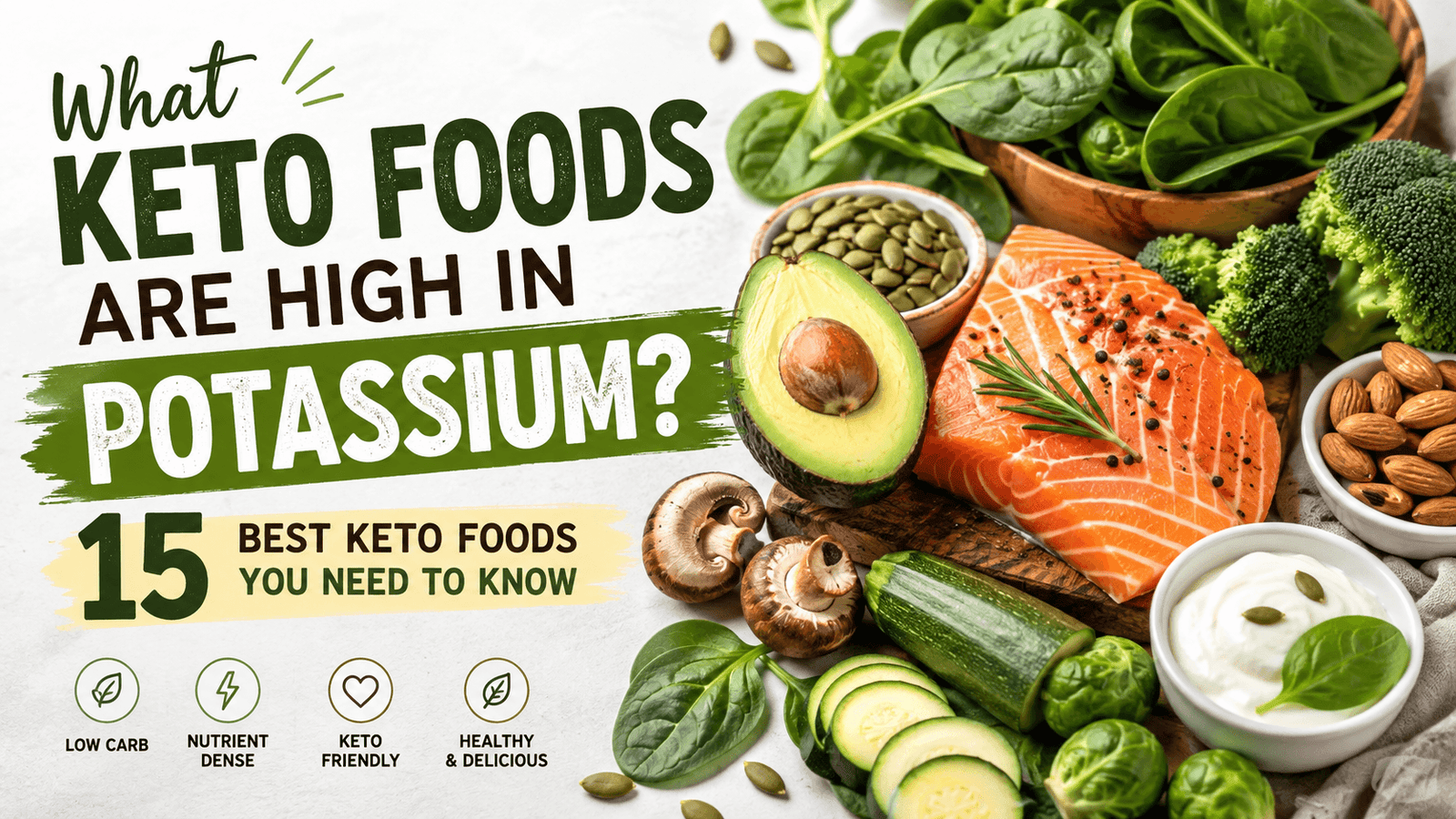
So, what keto foods are high in potassium? Fortunately, there are plenty of delicious, nutrient-dense, keto-friendly foods that can help you increase your potassium intake without loading up on carbs.
From avocado and spinach to salmon and mushrooms, these foods can fit easily into a well-balanced ketogenic diet.
In this guide, we’ll explore 15 of the best keto foods high in potassium, along with simple ways to add them to your meals.
Why Is Potassium Important on a Keto Diet?
Potassium is an essential mineral that plays several important roles in the body. It helps support normal muscle function, nerve signaling, fluid balance, and healthy blood pressure.
When you first start a keto diet, your body typically stores less glycogen because carbohydrate intake decreases. Since glycogen is stored along with water, losing glycogen can also cause increased water and electrolyte loss.
That’s one reason electrolytes such as potassium, sodium, and magnesium are often discussed in relation to keto.
Rather than relying only on supplements, adding naturally potassium-rich foods to your meals can be a great way to support a nutritious keto eating pattern.
What Keto Foods Are High in Potassium?
Here are 15 excellent keto-friendly potassium sources to consider.
1. Avocado
Avocado is one of the most popular foods on a ketogenic diet, and for good reason. It’s naturally low in carbohydrates while providing healthy fats, fiber, and potassium.
You can add sliced avocado to eggs, salads, burgers, or keto bowls. You can also make guacamole for a flavorful low-carb snack.
Easy idea: Combine avocado with boiled eggs, leafy greens, and olive oil for a simple keto-friendly meal.
2. Spinach
Spinach is a nutrient-dense leafy green that can provide potassium while adding very few net carbohydrates to your meals.
You can eat spinach raw in salads or cook it with butter, olive oil, garlic, or cheese.
Easy idea: Add fresh spinach to scrambled eggs or a keto omelet for an easy nutrient boost.
3. Salmon
Salmon is an excellent source of protein and healthy fats, making it a popular choice for keto meals. It also contributes potassium along with other important nutrients.
Try grilled, baked, or air-fried salmon with roasted vegetables or a fresh salad.
Easy idea: Serve baked salmon with sautéed spinach and avocado for a potassium-rich keto dinner.
4. Mushrooms
Mushrooms are versatile, relatively low in carbohydrates, and can contribute potassium to your diet.
They work well in omelets, soups, stir-fries, casseroles, and side dishes.
Easy idea: Sauté mushrooms in butter with garlic and herbs and serve them alongside grilled chicken or steak.
5. Broccoli
Broccoli is another nutritious vegetable that can fit into a keto lifestyle. It provides potassium, fiber, vitamin C, and other nutrients.
Roasted broccoli makes a particularly easy side dish for meat and seafood.
Easy idea: Roast broccoli with olive oil, garlic, Parmesan cheese, and your favorite seasonings.
6. Swiss Chard
Swiss chard is a leafy green vegetable that can be a useful addition to a low-carb diet. It’s packed with vitamins and minerals, including potassium.
Although it may not be as common as spinach, Swiss chard can be prepared in many of the same ways.
Easy idea: Sauté chopped Swiss chard with olive oil, garlic, and a little Parmesan.
7. Zucchini
Zucchini is a versatile keto vegetable that can contribute potassium while keeping carbohydrate intake relatively low.
You can turn zucchini into noodles, roast it as a side dish, or use it in casseroles.
Easy idea: Make zucchini noodles and top them with pesto, grilled chicken, and Parmesan.
8. Chicken
Chicken is primarily valued as a protein source, but it also provides potassium and can easily become part of a balanced keto meal.
Choose grilled, roasted, or baked chicken rather than heavily breaded preparations that can contain significant carbohydrates.
Easy idea: Combine grilled chicken with avocado, leafy greens, cucumber, and a low-carb dressing.
9. Beef
Beef can provide potassium along with high-quality protein and other nutrients. Different cuts have different nutritional profiles, so portion size and preparation matter.
For keto meals, pair beef with low-carb vegetables rather than high-carbohydrate sides.
Easy idea: Serve grilled steak with sautéed mushrooms and roasted broccoli.
10. Greek Yogurt
Unsweetened Greek yogurt can provide potassium and protein while fitting into some keto meal plans.
However, carbohydrate content can vary between brands, so check the nutrition label before purchasing.
Choose plain, unsweetened varieties and avoid products with added sugar.
Easy idea: Top a small serving of plain Greek yogurt with a few keto-friendly nuts and cinnamon.
11. Pumpkin Seeds
Pumpkin seeds are nutrient-dense and can provide potassium, magnesium, healthy fats, and protein.
Because they’re calorie-dense, it’s a good idea to pay attention to portion sizes.
Easy idea: Sprinkle pumpkin seeds over salads or enjoy a small portion as a crunchy keto snack.
12. Almonds
Almonds are another convenient low-carb food that contributes potassium along with healthy fats, fiber, magnesium, and protein.
They’re easy to keep on hand for a quick snack.
Easy idea: Add chopped almonds to Greek yogurt or use them as a crunchy topping for salads.
13. Cod
Cod is a lean fish that provides protein and several important nutrients, including potassium.
It’s particularly useful when you want a lighter alternative to fattier fish such as salmon.
Easy idea: Bake cod with butter, lemon, garlic, and herbs and serve it with steamed broccoli.
14. Cauliflower
Cauliflower is one of the most versatile vegetables for keto cooking. It can be mashed, roasted, riced, or used as a low-carb alternative in many recipes.
It also contributes potassium and fiber to your diet.
Easy idea: Make creamy cauliflower mash with butter, garlic, and Parmesan as a replacement for traditional mashed potatoes.
15. Brussels Sprouts
Brussels sprouts provide potassium, fiber, vitamin C, and other nutrients while remaining suitable for many low-carb meal plans.
Roasting them brings out a delicious caramelized flavor.
Easy idea: Roast Brussels sprouts with olive oil, garlic, salt, and pepper until golden and crispy.
How to Add More Potassium to Your Keto Diet
Knowing what keto foods are high in potassium is only half the equation. The next step is finding simple ways to include them in your daily meals.
Here are a few easy combinations:
Breakfast:
Eggs with spinach, avocado, and mushrooms.
Lunch:
Grilled chicken salad with avocado, leafy greens, cucumber, and pumpkin seeds.
Dinner:
Baked salmon with roasted broccoli and cauliflower.
Snack:
A small serving of almonds or unsweetened Greek yogurt.
Side dish:
Sautéed Swiss chard, mushrooms, or roasted Brussels sprouts.
Building meals around a variety of whole foods can make it easier to get a broad range of nutrients while keeping carbohydrates under control.
Can You Get Enough Potassium From Keto Foods?
Yes, many people can obtain potassium from a varied diet that includes potassium-rich vegetables, fish, meat, dairy, nuts, and seeds.
However, individual potassium needs can vary depending on age, health status, medications, kidney function, and other factors.
It’s also important to remember that more potassium isn’t always better. People with certain medical conditions or those taking medications that affect potassium levels may need to limit or carefully monitor potassium intake.
If you have a medical condition or take medication that affects potassium, speak with a qualified healthcare professional before significantly changing your potassium intake or using potassium supplements.
Keto Foods High in Potassium: Quick List
If you’re looking for a simple reference, here are the 15 foods covered in this article:
- Avocado
- Spinach
- Salmon
- Mushrooms
- Broccoli
- Swiss chard
- Zucchini
- Chicken
- Beef
- Unsweetened Greek yogurt
- Pumpkin seeds
- Almonds
- Cod
- Cauliflower
- Brussels sprouts
Try mixing several of these foods throughout your week rather than relying on only one source.
Final Thoughts
So, what keto foods are high in potassium? There are many options to choose from, including avocado, spinach, salmon, mushrooms, broccoli, zucchini, cauliflower, nuts, seeds, and more.
The best approach is to build your keto meals around a variety of nutrient-dense foods instead of focusing exclusively on fat and protein. Adding potassium-rich vegetables, seafood, meat, dairy, nuts, and seeds can help make your low-carb eating pattern more varied and nutritious.
Whether you’re new to keto or have followed a ketogenic lifestyle for years, these 15 foods can give you plenty of delicious ideas for creating balanced meals.
Remember that potassium requirements are individual, and certain health conditions and medications can affect how much potassium you should consume. When in doubt, consult a healthcare professional for personalized advice.
Frequently Asked Questions
What is the best keto food for potassium?
Avocado is one of the most popular potassium-rich foods that fits naturally into a keto diet. Leafy greens, fish, vegetables, nuts, and seeds can also contribute potassium.
Are bananas keto-friendly for potassium?
Bananas contain potassium, but they’re relatively high in carbohydrates compared with many other keto-friendly potassium sources. Foods such as avocado, spinach, broccoli, and salmon can be easier to fit into a low-carb eating plan.
How can I get potassium without eating too many carbs?
Choose low-carb potassium sources such as avocado, spinach, mushrooms, broccoli, zucchini, salmon, cauliflower, and Brussels sprouts. These foods can provide nutrients while keeping carbohydrate intake relatively controlled.
Is potassium important when following keto?
Potassium is an essential mineral, and maintaining adequate electrolyte intake is important for overall health. A varied diet containing potassium-rich whole foods can help support a balanced keto eating pattern.
Should I take a potassium supplement on keto?
Not everyone following keto needs a potassium supplement. Because excessive potassium can be harmful in certain circumstances, it’s best to discuss supplementation with a healthcare professional, particularly if you have a medical condition or take medications that affect potassium levels.