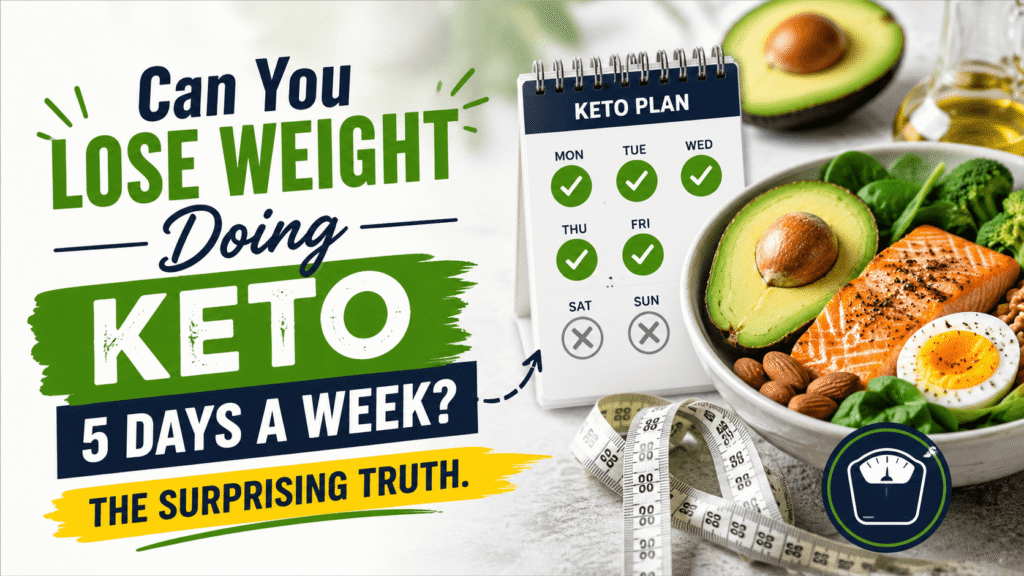
Have you ever wondered what happens if I eat no carbs for a month? Cutting carbohydrates from your diet for 30 days can lead to noticeable changes in your body, appetite, energy levels, digestion, and weight. For some people, reducing carbs may make it easier to control hunger and follow a lower-carb or ketogenic eating pattern. For others, the first few days can come with fatigue, headaches, constipation, or difficulty adjusting.

But there is an important distinction between eating very few carbohydrates and eating literally zero carbs. Most foods contain at least some carbohydrates, including vegetables, nuts, dairy products, and other nutrient-rich foods. A practical low-carb or ketogenic diet usually focuses on significantly reducing carbohydrates rather than eliminating every gram.
So, what happens if I eat no carbs for a month? Let’s look at seven changes you may notice during a 30-day period, what causes them, and what you should consider before making major changes to your diet.
1. Your Body May Lose Water Weight Quickly
One of the first changes you may notice after dramatically reducing carbohydrates is a drop on the scale.
This doesn’t necessarily mean you’ve suddenly lost a large amount of body fat.
Your body stores some carbohydrate as glycogen in the liver and muscles. Glycogen is stored along with water. When carbohydrate intake drops significantly, glycogen stores can decrease, and your body may release some of the associated water.
As a result, your weight may fall relatively quickly during the first several days.
This is one reason people sometimes feel that a very low-carb diet produces dramatic results immediately. However, early weight changes can be substantially influenced by water rather than fat.
After the initial adjustment period, changes in body fat depend much more on your overall calorie intake, food choices, activity level, sleep, and other individual factors.
The takeaway: A quick drop in weight during the first week doesn’t necessarily represent the same amount of fat loss.
2. Your Body May Begin Using More Fat for Fuel
When carbohydrate availability becomes very low, your body needs to adapt to using other energy sources.
If carbohydrate intake is sufficiently restricted, the liver can produce molecules called ketones from fat. These ketones can be used as an alternative fuel source by the body, including the brain.
This metabolic state is known as ketosis.
This is the basic principle behind ketogenic diets. A ketogenic diet is generally very low in carbohydrates, moderate in protein, and relatively high in fat.
However, simply eating “no carbs” doesn’t automatically guarantee ketosis. Total carbohydrate intake, protein intake, individual metabolism, activity, and other factors can influence whether someone reaches and maintains ketosis.
You also don’t need to eliminate carbohydrates completely to experience benefits from reducing them.
For many people, a carefully planned low-carb approach may be more practical and sustainable than attempting to remove every possible source of carbohydrates.
3. Your Appetite May Change
Another potential change is appetite.
Some people find that meals containing adequate protein, healthy fats, and low-carbohydrate vegetables are quite filling. As a result, they may experience fewer cravings or feel satisfied for longer between meals.
Reducing highly processed, sugary foods can also remove many common sources of added sugar from the diet.
However, appetite responses are highly individual.
Some people may feel less hungry after transitioning to a lower-carb diet, while others may experience strong cravings during the first several days or weeks.
If you’re constantly hungry, tired, or thinking about food, your diet may be too restrictive or poorly balanced.
Instead of focusing only on eliminating carbohydrates, consider the overall quality of your meals. Include appropriate protein sources, non-starchy vegetables, healthy fats, and enough calories to meet your body’s needs.
4. You May Experience Temporary “Keto Flu” Symptoms
If you dramatically reduce carbohydrates overnight, you may experience temporary symptoms while your body adjusts.
Some people refer to this collection of symptoms as the “keto flu.”
Possible symptoms can include:
- Headache
- Fatigue
- Irritability
- Dizziness
- Difficulty concentrating
- Muscle cramps
- Changes in energy
- Digestive discomfort
These symptoms don’t happen to everyone, and they aren’t necessarily caused by ketosis itself. Rapid dietary changes, reduced food intake, fluid shifts, and changes in electrolyte intake can all contribute.
The adjustment period is often easier when people focus on adequate hydration and a nutritionally balanced diet rather than simply removing foods.
If symptoms are severe, persistent, or concerning, don’t assume they’re just part of the diet. Speak with a qualified healthcare professional.
5. Your Digestion and Bowel Movements May Change
Carbohydrate-rich foods aren’t all the same.
When people hear “carbs,” they sometimes think only about bread, pasta, rice, sweets, and sugar. But many carbohydrate-containing foods are also important sources of fiber, including fruits, vegetables, legumes, and whole grains.
If you remove a large number of these foods without replacing their nutrients, your fiber intake may fall.
That can lead to constipation or other digestive changes.
If you’re following a very low-carb eating pattern, prioritize low-carbohydrate vegetables and other appropriate sources of fiber. Foods such as leafy greens, broccoli, cauliflower, zucchini, avocado, chia seeds, and flax seeds can fit into many low-carb approaches.
Digestive health should not be ignored simply because your carbohydrate intake is low.
A successful diet should provide adequate nutrition while being practical enough to maintain.
6. Your Energy Levels May Feel Different
Energy is another area where people can have very different experiences.
During the first few days of a drastic carbohydrate reduction, some people may feel tired or less energetic. This can happen while the body adapts to a different balance of fuel sources.
Others may eventually report feeling more consistent energy throughout the day, particularly if reducing carbohydrates also means eating fewer highly processed foods and avoiding large swings in their usual eating pattern.
Your experience can depend on your current diet, physical activity, sleep, total calorie intake, hydration, and how aggressively you reduce carbohydrates.
If you’re exercising regularly, especially at high intensity, you may also notice changes in performance. Certain forms of exercise rely heavily on carbohydrate availability, so a sudden and dramatic reduction may affect training for some individuals.
Instead of judging the diet after one or two days, pay attention to how your energy, performance, hunger, sleep, and overall well-being change over several weeks.
7. Your Relationship With Food May Change
A 30-day no-carb challenge isn’t only a physical experiment. It can also change the way you think about food.
You may become more aware of how many everyday foods contain carbohydrates. You may start reading nutrition labels more carefully and planning meals in advance.
You might discover new foods and recipes that you genuinely enjoy.
On the other hand, an extremely restrictive approach can make eating socially difficult or cause you to focus excessively on avoiding certain foods.
That’s why sustainability matters.
A healthy eating pattern should fit your lifestyle rather than making every meal feel like a challenge.
Instead of asking only, “How many carbs can I eliminate?” consider asking:
“What way of eating can I realistically follow while still meeting my nutritional needs?”
That question can lead to a much more sustainable approach.
What Happens After 30 Days?
After a month of drastically reducing carbohydrates, the changes you experience will depend on your starting diet, food choices, activity level, genetics, sleep, and overall calorie intake.
You may notice changes in body weight, appetite, digestion, energy, and food preferences.
However, there is no single result that everyone should expect.
If your goal is weight management, remember that sustainable progress usually involves more than one nutrient. Your overall eating pattern, portion sizes, protein intake, physical activity, sleep, and consistency all matter.
And if you decide to increase carbohydrates again after the month is over, some weight may return quickly because your body’s glycogen stores and associated water can increase again. That doesn’t necessarily mean you’ve regained the same amount of body fat.
Is Eating No Carbs for a Month Safe for Everyone?
No.
A very restrictive diet may not be appropriate for everyone. People with certain medical conditions, those taking medications that affect blood sugar, pregnant or breastfeeding individuals, children, and people with a history of eating disorders should be especially cautious about making major dietary changes without professional guidance.
If you have a medical condition or take prescription medication, talk with your doctor or a registered dietitian before starting a very-low-carb or ketogenic diet.
Also remember that “zero carbs” isn’t necessary to follow a ketogenic or low-carb lifestyle. Many nutrient-dense foods contain small amounts of carbohydrates, and eliminating entire food groups without planning can make it harder to obtain adequate fiber, vitamins, minerals, and other nutrients.
Final Thoughts
So, what happens if I eat no carbs for a month?
You may experience several noticeable changes. Your body may lose water weight initially, shift toward using more fat and ketones for fuel, experience changes in appetite, and go through a temporary adjustment period. Your digestion, energy levels, exercise performance, and relationship with food may also change.
But there is no universal 30-day result.
The most important factor isn’t simply how many carbohydrates you remove. It’s whether your overall diet provides enough nutrition and whether the eating pattern is realistic and sustainable for you.
If you’re interested in a keto lifestyle, focus on quality foods, adequate protein, nutrient-rich vegetables, healthy fats, hydration, and a balanced approach rather than trying to eliminate every possible carbohydrate.
And remember: a sustainable eating pattern is usually more valuable than a restrictive challenge you can’t maintain.
Disclaimer: This article is for general educational purposes only and is not medical advice. Individual dietary needs vary. Consult a qualified healthcare professional before making significant changes to your diet, particularly if you have a medical condition, take medication, or are pregnant or breastfeeding.