If you’ve been following a keto lifestyle, you probably know that giving up traditional pastries can be one of the hardest parts. Croissants are buttery, flaky, golden, and incredibly satisfying, but traditional croissants are made with wheat flour and contain a significant amount of carbohydrates.
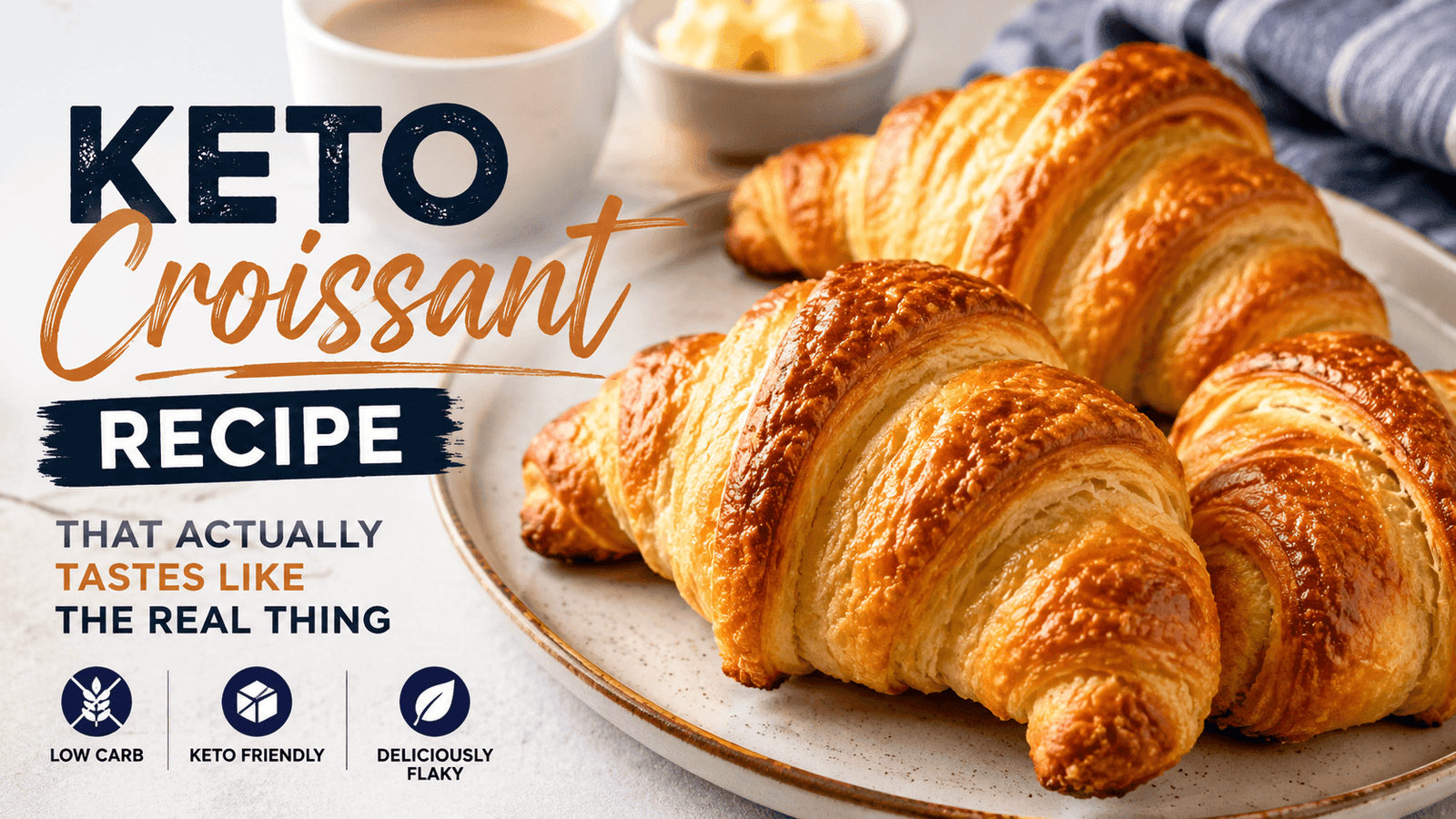
The good news? You don’t necessarily have to say goodbye to croissants.
This keto croissant recipe is designed for anyone who wants that delicious combination of buttery layers, a crisp exterior, and a soft center while keeping the recipe low-carb. Whether you’re looking for a weekend breakfast, a quick afternoon treat, or something special to enjoy with your morning coffee, these homemade keto croissants are worth trying.
What Is a Keto Croissant?
A keto croissant is a low-carb alternative to the classic French pastry. Instead of relying on traditional wheat flour, keto-friendly ingredients are used to create a dough with fewer carbohydrates.
The goal is to recreate the most enjoyable parts of a traditional croissant: buttery flavor, a lightly crisp outside, and a tender center.
While a keto croissant may not have exactly the same texture as a traditional French bakery croissant, a well-made version can be surprisingly satisfying.
The key is using the right ingredients and handling the dough carefully.
Why You’ll Love This Keto Croissant Recipe
There are plenty of reasons to add this recipe to your keto breakfast rotation.
Low in carbohydrates: Traditional croissants can contain a considerable amount of carbs. This version is designed with keto-friendly ingredients.
Buttery and satisfying: Butter gives these croissants their rich, classic pastry flavor.
Perfect for breakfast: Enjoy one with coffee, eggs, cheese, or your favorite keto breakfast foods.
Easy to customize: You can make them plain or experiment with savory and sweet keto-friendly fillings.
Great for meal prep: Make a batch ahead of time and store them for later.
Ingredients You’ll Need
The exact ingredients can vary depending on the style of keto croissant you want to make, but these are some of the most useful ingredients for a low-carb version.
Almond Flour
Almond flour is one of the most popular keto baking ingredients. It provides structure while keeping the carbohydrate content lower than traditional wheat flour.
For the best results, use finely ground almond flour rather than coarse almond meal.
Mozzarella Cheese
Mozzarella is commonly used in low-carb dough because it melts well and can help create a stretchy, workable texture.
A mild mozzarella works best because it won’t overpower the buttery flavor of the croissant.
Butter
Butter is essential for creating the rich flavor associated with croissants.
Use good-quality unsalted butter so you can control the salt level in the recipe.
Eggs
Eggs help bind the dough and provide structure. They also contribute to the golden color of the finished pastry.
Baking Powder
A small amount of baking powder can help create a lighter texture.
Salt
Salt may seem like a small ingredient, but it helps balance the richness of the butter and enhances the overall flavor.
How to Make Keto Croissants
Step 1: Prepare the Dough
Start by combining your dry ingredients in a bowl. If you’re using almond flour, baking powder, and salt, mix them thoroughly so everything is evenly distributed.
In a separate bowl, prepare the wet ingredients according to your recipe method.
If you’re using mozzarella as part of a low-carb dough, gently melt the cheese and combine it with the other ingredients.
The dough should become soft and workable without being excessively sticky.
Step 2: Let the Dough Cool Slightly
This step is easy to overlook.
If the cheese mixture is extremely hot, it can make the dough difficult to handle and may affect the eggs when they’re added.
Allow the mixture to cool slightly before combining everything.
Step 3: Roll Out the Dough
Place the dough between two sheets of parchment paper.
Gently roll it into a thin, roughly circular shape.
Try not to make the dough extremely thin because it needs enough structure to hold its shape when rolled.
Once rolled out, carefully remove the top sheet of parchment paper.
Step 4: Cut the Dough Into Triangles
Using a sharp knife or pizza cutter, divide the dough into triangles.
The wider end of each triangle will become the outside of the croissant, while the narrow point will form the tip.
Try to make the triangles similar in size so they cook evenly.
Step 5: Add Butter
For a richer pastry, lightly brush or spread softened butter over the dough before shaping.
Avoid adding too much butter at this stage because excess butter can make the dough difficult to roll.
Step 6: Roll the Croissants
Starting at the wide end of each triangle, gently roll the dough toward the pointed tip.
Don’t roll them too tightly.
A slightly relaxed roll gives the croissant room to expand during baking.
Curve the ends slightly inward to create the classic croissant shape.
Step 7: Add an Egg Wash
For a beautiful golden finish, brush the tops with a small amount of beaten egg.
This helps create a glossy, bakery-style appearance.
Step 8: Bake
Place the shaped croissants on a parchment-lined baking sheet.
Bake them in a preheated oven until they are golden brown and cooked through.
Because ovens and dough thickness can vary, keep an eye on them during the final minutes of baking.
Allow the croissants to cool for several minutes before serving.
Tips for Making Better Keto Croissants
Making low-carb pastry can take a little practice. These tips can help improve your results.
Don’t Overwork the Dough
Overworking the dough can make it difficult to shape and may result in a denser final texture.
Handle it gently whenever possible.
Use Parchment Paper
Keto dough can sometimes be more delicate or sticky than traditional pastry dough.
Rolling it between parchment sheets makes the process significantly easier.
Don’t Make the Dough Too Thin
A very thin dough may tear while you’re rolling the croissants.
Aim for a thickness that is thin enough to create a delicate pastry but strong enough to handle.
Watch the Oven
Low-carb baked goods can brown quickly.
Check your croissants during the final stage of baking and remove them once they’re nicely golden and cooked through.
Let Them Cool
Freshly baked croissants can be delicate when they’re hot.
Allowing them to cool slightly helps the texture set and makes them easier to handle.
Delicious Ways to Serve Keto Croissants
One of the best things about homemade keto croissants is their versatility.
For a simple breakfast, serve them warm with butter and coffee.
For a savory option, fill them with:
- Cream cheese
- Cheddar cheese
- Turkey
- Ham
- Scrambled eggs
- Avocado
- Smoked salmon
You can also create a sweet version using keto-friendly ingredients.
Try filling your croissant with a small amount of sugar-free chocolate, cream cheese, or a low-carb berry spread.
Just remember that fillings can change the nutritional information and carbohydrate content of the finished recipe.
How to Store Keto Croissants
If you have leftovers, allow the croissants to cool completely before storing them.
Keep them in an airtight container in the refrigerator for several days.
When you’re ready to eat one, gently warm it in an oven or air fryer to help restore some of its crispness.
You can also freeze baked croissants for longer storage. Wrap them individually and place them in a freezer-safe container or bag.
When you want one, thaw it and reheat it until warm.
Are Keto Croissants Healthy?
“Keto” doesn’t automatically mean a food is healthy for everyone.
A keto croissant can be a useful lower-carb alternative to a traditional pastry, but it can still contain significant amounts of calories and fat depending on the ingredients and serving size.
If you’re following a ketogenic diet, pay attention to your overall daily carbohydrate intake and portion sizes.
It’s also important to remember that nutritional needs differ from person to person.
Frequently Asked Questions
Can I make keto croissants without almond flour?
Yes, depending on the recipe. Some low-carb croissant recipes use coconut flour or other keto-friendly flour alternatives. However, different flours absorb moisture differently, so substitutions may require adjustments.
Are keto croissants completely carb-free?
No. Most keto croissants are not completely carbohydrate-free. Ingredients such as almond flour and dairy products contain some carbohydrates. Always check the nutritional information for your specific recipe and ingredients.
Can I freeze keto croissants?
Yes. Once completely cooled, keto croissants can generally be wrapped individually and frozen. Reheat them in the oven or air fryer after thawing.
Why are my keto croissants too dense?
The dough may have been overworked, too thick, or not baked long enough. Ingredient ratios and the specific flour used can also affect texture.
Can I make sweet keto croissants?
Absolutely. You can experiment with keto-friendly fillings such as sugar-free chocolate, cream cheese, cinnamon, or low-carb fruit spreads.
Final Thoughts
Giving up traditional pastries doesn’t mean your keto breakfast has to be boring.
This keto croissant recipe is a delicious way to enjoy the buttery, golden pastry experience while using lower-carb ingredients. With a little practice, careful dough handling, and the right baking technique, you can make homemade croissants that are incredibly satisfying.
Serve them fresh with your morning coffee, turn them into savory breakfast sandwiches, or experiment with your favorite keto-friendly fillings.
If you’re looking for more delicious low-carb ideas, explore the other keto recipes and resources available on KetoCooking and discover new ways to make your keto journey easier and more enjoyable.