If you’re looking for a simple way to reduce carbs, increase protein, and simplify your meals, you may have come across the keto carnivore diet. This increasingly popular eating approach combines ideas from the ketogenic diet and the carnivore diet, focusing primarily on animal-based foods while keeping carbohydrates extremely low.
But what exactly is a keto carnivore diet? What can you eat? Is it suitable for beginners? And can it actually help with weight management?
In this beginner-friendly guide, we’ll explain everything you need to know about the keto carnivore diet, including foods to eat, foods to avoid, potential benefits, common mistakes, and an easy sample meal plan.
What Is the Keto Carnivore Diet?
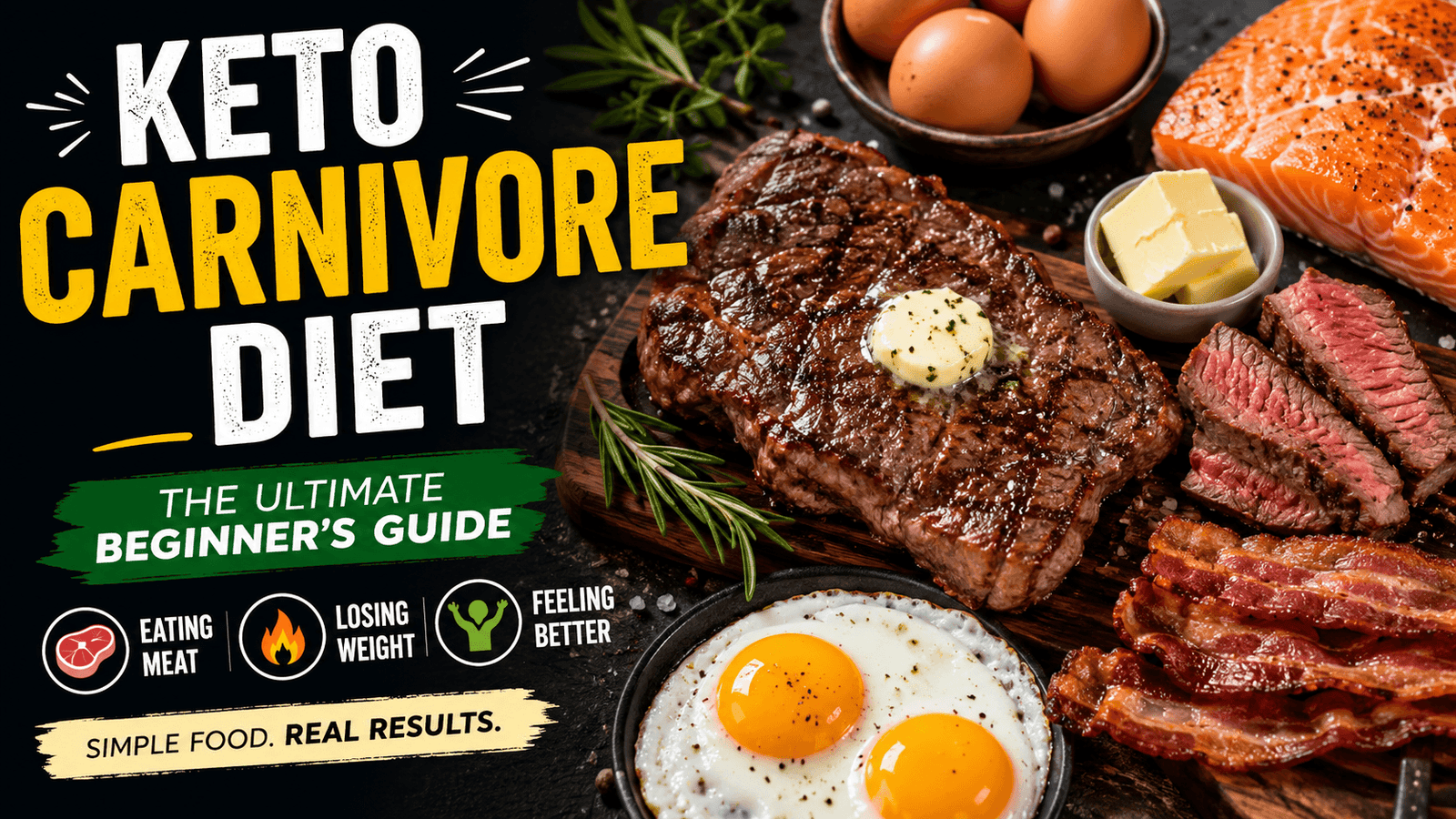
The keto carnivore diet is a very low-carbohydrate way of eating that emphasizes meat and other animal-based foods.
It combines two dietary approaches:
- Keto: A low-carbohydrate, higher-fat diet designed to encourage the body to use fat and ketones for energy.
- Carnivore: A highly restrictive animal-based diet centered mainly on meat, fish, eggs, and other animal foods.
A keto carnivore approach generally focuses on foods such as beef, chicken, eggs, fish, seafood, and animal fats. Depending on how strictly someone follows it, dairy products such as butter, cheese, and heavy cream may also be included.
The exact rules can vary. Some people follow an almost entirely meat-based version, while others include small amounts of low-carb dairy or other animal-derived foods.
How Does a Keto Carnivore Diet Work?
The main principle is simple: keep carbohydrates very low and make animal foods the foundation of your meals.
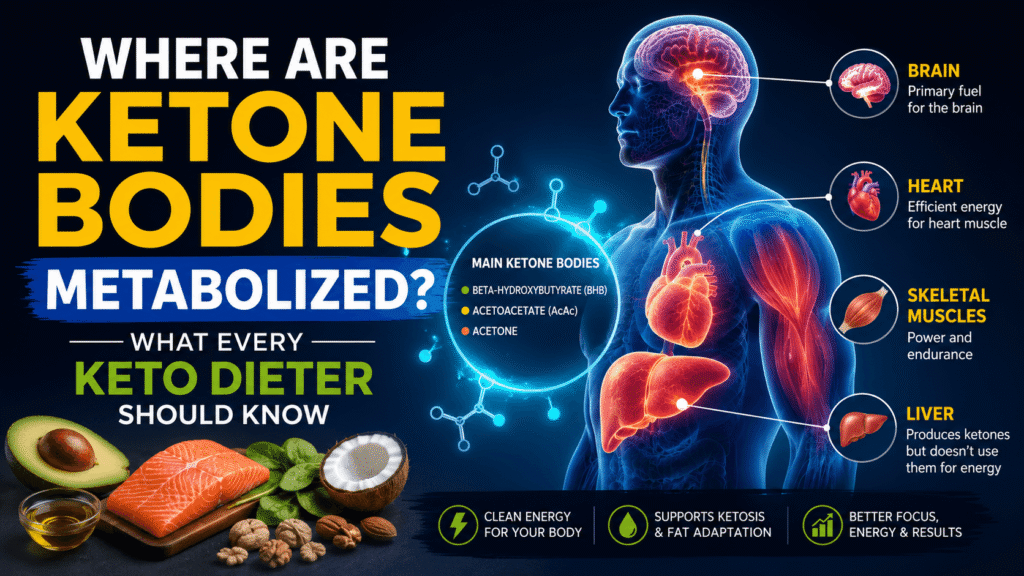
When carbohydrate intake is significantly reduced, the body has less glucose available from food. The liver can then produce ketones from fat, which can be used as an alternative energy source.
This metabolic state is known as ketosis.
However, simply eating meat does not automatically guarantee ketosis. Foods such as sugary sauces, certain dairy products, processed meats containing added carbohydrates, and other high-carb ingredients can increase carbohydrate intake.
For that reason, anyone following a keto carnivore approach needs to pay attention to the ingredients and overall composition of their meals.
What Can You Eat on a Keto Carnivore Diet?
One of the biggest attractions of this eating style is its simplicity.
1. Beef
Beef is a popular choice because it provides protein and fat. Options include:
- Ground beef
- Ribeye steak
- Sirloin
- Beef burgers without sugary sauces
- Beef roast
- Brisket
- Short ribs
Choose cuts based on your personal preferences and nutritional needs.
2. Eggs
Eggs are versatile and easy to prepare. You can enjoy them boiled, scrambled, fried, or as an omelet with other low-carb animal foods.
3. Chicken
Chicken provides a convenient source of protein. Chicken thighs and wings generally contain more fat than skinless chicken breast.
4. Fish and Seafood
Fatty fish can be particularly appealing because they provide protein and fats, including omega-3 fatty acids.
Good choices include:
- Salmon
- Sardines
- Mackerel
- Tuna
- Shrimp
- Trout
5. Animal Fats
Depending on your approach, you may use animal fats such as butter, ghee, or beef tallow when cooking.
6. Low-Carb Dairy
Some versions of the keto carnivore diet allow dairy products.
Examples include:
- Butter
- Hard cheeses
- Heavy cream
- Full-fat unsweetened dairy
If you notice digestive discomfort after consuming dairy, you may prefer a dairy-free approach.
Foods to Avoid or Limit
Because the goal is to keep carbohydrates extremely low, many conventional foods don’t fit easily into a keto carnivore eating pattern.
Foods commonly avoided include:
- Bread
- Pasta
- Rice
- Potatoes
- Sugary cereals
- Candy
- Cakes and cookies
- Sugary drinks
- Fruit juices
- Sweet sauces
- Most desserts
- Legumes
- Highly processed snack foods
Some people following a strict carnivore approach also eliminate plant foods entirely, while less restrictive versions may allow small amounts of low-carb foods.
Always check food labels, particularly for processed meats and sauces, because some products contain added sugar or starch.
Potential Benefits of a Keto Carnivore Diet
People choose this eating pattern for different reasons. While research specifically on the keto carnivore diet is limited, some potential benefits may come from its very-low-carbohydrate structure and the nutrient density of many animal foods.
May Help With Appetite Control
Protein is generally filling, and meals centered around protein and fat may help some people feel satisfied for longer.
This can make it easier to reduce snacking and maintain an appropriate calorie intake.
May Support Weight Management
A low-carbohydrate diet can contribute to weight loss for some people, particularly when it helps reduce overall calorie intake.
However, eating large amounts of high-fat foods can still provide substantial calories. Therefore, the keto carnivore diet isn’t a magic solution for weight loss.
Simple Meal Preparation
Another major advantage is simplicity.
Instead of preparing complicated recipes with numerous ingredients, a meal might simply consist of steak and eggs, grilled chicken, or salmon with butter.
For busy people, this simplicity can make meal planning easier.
Very Low in Carbohydrates
For people who are intentionally following a ketogenic eating pattern, limiting carbohydrates can make it easier to maintain ketosis.
The amount of carbohydrate required to remain in ketosis varies from person to person.
Possible Downsides and Things to Consider
The keto carnivore diet is highly restrictive, and that is important to consider before starting.
Eliminating most or all plant foods can significantly reduce dietary variety and may make it harder to obtain certain nutrients and fiber.
Some people may also experience digestive changes, constipation, headaches, fatigue, or other symptoms when dramatically changing their carbohydrate intake.
Another consideration is long-term sustainability. A diet that is extremely restrictive may be difficult to follow socially or over a long period.
People with certain medical conditions, those taking medications that affect blood sugar or blood pressure, pregnant or breastfeeding individuals, and anyone with a history of disordered eating should speak with an appropriate healthcare professional before making major dietary changes.
Common Keto Carnivore Diet Mistakes
If you’re a beginner, avoiding these common mistakes can make the transition easier.
Mistake #1: Eating Only Lean Meat
Some people focus exclusively on very lean meat and struggle with hunger. Depending on your individual needs, incorporating appropriate sources of fat can make meals more satisfying.
Mistake #2: Forgetting Hydration and Electrolytes
Reducing carbohydrates can affect fluid and electrolyte balance. Staying adequately hydrated is important, but electrolyte supplementation should be individualized, especially if you have a medical condition or take medications.
Mistake #3: Assuming “Carnivore” Means Unlimited Calories
Even though the diet is low in carbohydrates, calories still matter for weight management.
Large amounts of butter, cheese, fatty meats, and cream can add up quickly.
Mistake #4: Making the Diet Too Complicated
One benefit of this eating pattern is simplicity. You don’t need dozens of ingredients to create a satisfying meal.
Focus on quality protein sources, appropriate fats, and simple preparation.
Simple 7-Day Keto Carnivore Meal Plan
Here is a basic example for inspiration. Portion sizes should be adjusted according to individual needs.
Day 1:
Breakfast: Eggs and bacon
Lunch: Grilled chicken thighs
Dinner: Ribeye steak
Day 2:
Breakfast: Scrambled eggs
Lunch: Ground beef patties
Dinner: Baked salmon
Day 3:
Breakfast: Eggs with cheese
Lunch: Beef steak
Dinner: Roasted chicken thighs
Day 4:
Breakfast: Boiled eggs
Lunch: Ground beef
Dinner: Grilled salmon with butter
Day 5:
Breakfast: Omelet with cheese
Lunch: Chicken wings
Dinner: Beef roast
Day 6:
Breakfast: Fried eggs
Lunch: Burger patties
Dinner: Steak
Day 7:
Breakfast: Eggs and sausage
Lunch: Grilled chicken
Dinner: Salmon or another fatty fish
Remember that this is only a general example, not a personalized nutrition plan.
Tips for Starting a Keto Carnivore Diet
If you’re new to this eating style, don’t feel like you have to make everything complicated.
Start by building meals around a quality protein source. Keep sauces and processed ingredients simple, and check labels for hidden sugars and carbohydrates.
Drink enough fluids and pay attention to how your body responds.
Most importantly, focus on sustainability. If an extremely restrictive version isn’t practical for you, discuss a less restrictive low-carbohydrate approach with a qualified healthcare professional.
Frequently Asked Questions
Is the keto carnivore diet the same as keto?
Not exactly. A traditional ketogenic diet can include low-carb vegetables, nuts, seeds, avocados, and other plant foods. A carnivore diet focuses primarily or exclusively on animal foods. The keto carnivore diet combines the very-low-carb principle of keto with the animal-food emphasis of carnivore.
Can you lose weight on a keto carnivore diet?
Some people may lose weight while following this type of diet, particularly if it helps them maintain a calorie deficit. However, individual results vary, and weight loss depends on factors including calorie intake, activity, sleep, health, and adherence.
Can you eat dairy on a keto carnivore diet?
Some versions allow low-carbohydrate dairy such as butter and certain cheeses, while stricter versions eliminate dairy. Always check labels for added carbohydrates.
Are vegetables allowed?
A strict carnivore diet generally excludes vegetables. However, some people use a less restrictive approach that includes small amounts of low-carbohydrate vegetables. The definition of “keto carnivore” can vary.
Is the keto carnivore diet healthy?
There isn’t enough high-quality long-term research specifically on the keto carnivore diet to conclude that it is universally healthy or appropriate for everyone. Its restrictive nature means nutritional adequacy and individual health circumstances should be considered carefully.
Final Thoughts
The keto carnivore diet is a highly restrictive eating approach that combines very-low-carbohydrate eating with a strong focus on animal foods. For some people, its simplicity and emphasis on protein may make it appealing, while others may find the lack of dietary variety difficult to maintain.
If you’re considering trying it, start by understanding exactly what you’re eating, pay attention to your body’s response, and avoid assuming that “low-carb” automatically means unlimited portions.
Most importantly, choose an eating pattern that fits your individual nutritional needs, lifestyle, and long-term goals. If you have a medical condition or take medication, talk with a qualified healthcare professional before making significant dietary changes.