If you have diabetes, you may have wondered: Are keto recipes good for diabetics? With keto recipes becoming increasingly popular, many people are curious whether dramatically reducing carbohydrates can help manage blood sugar, support weight loss, or make everyday meals easier.

The short answer is: some low-carb or keto-style recipes may fit into a diabetes-friendly eating plan, but a ketogenic diet is not automatically suitable for everyone with diabetes.
The type and amount of carbohydrates you eat can affect blood glucose levels, and a lower-carb diet may be helpful for some people with type 2 diabetes, particularly when weight loss is also a goal. However, diabetes is highly individual, and medications, insulin use, overall health, and personal nutritional needs all matter.
So before filling your kitchen with keto recipes, let’s look at what the evidence actually tells us.
What Is a Keto Diet?
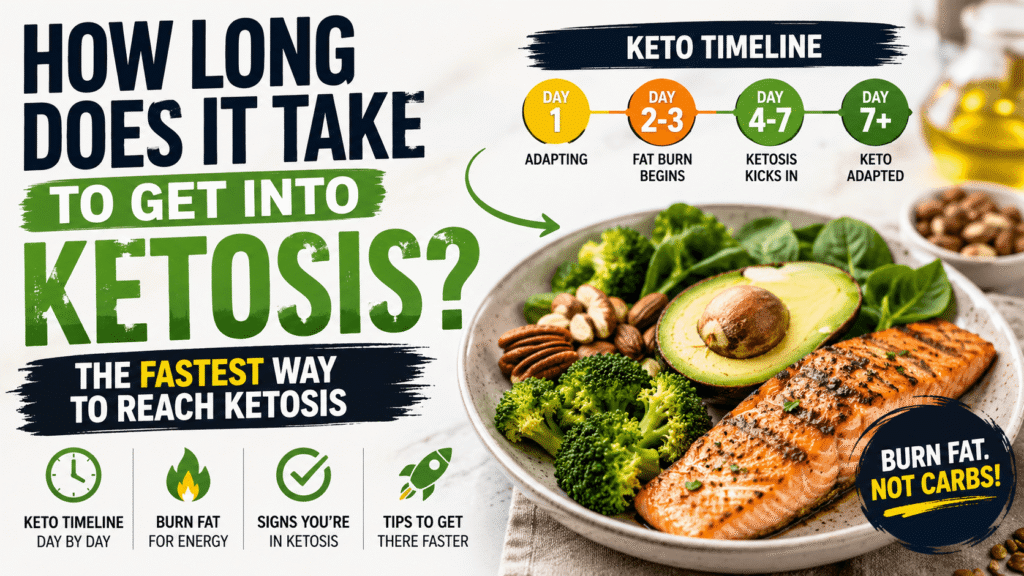
A ketogenic, or “keto,” diet is a very low-carbohydrate eating pattern that substantially reduces carbohydrates while emphasizing foods such as protein, fats, and non-starchy vegetables.
When carbohydrate intake becomes very low, the body can begin producing ketones from fat for energy. This metabolic state is called ketosis.
Keto is more restrictive than a general low-carb diet. That’s an important distinction because “low-carb” and “keto” aren’t necessarily the same thing.
Diabetes UK describes low-carb eating as reducing carbohydrate intake to less than 130 grams per day, while a ketogenic diet is generally much more restrictive.
Why Are Keto Recipes Interesting for People With Diabetes?
Carbohydrates are broken down into glucose, which can raise blood sugar after eating. Therefore, reducing the amount of carbohydrate in a meal may reduce the amount of glucose entering the bloodstream from that meal.
This is one reason lower-carb eating has attracted attention among people with type 2 diabetes.
Research and clinical guidance indicate that lower-carb diets can help some adults with type 2 diabetes with weight management and blood glucose control, particularly over the short term.
However, this does not mean that every keto recipe is automatically healthy or that everyone with diabetes should follow keto.
The quality of the overall diet still matters.
So, Are Keto Recipes Good for Diabetics?
The most accurate answer is:
They can be appropriate for some people with diabetes, particularly some adults with type 2 diabetes, but they are not universally recommended or automatically diabetes-friendly.
A well-planned lower-carb meal can include plenty of vegetables, an appropriate protein source, healthy fats, and carefully selected carbohydrate sources.
On the other hand, a poorly planned keto diet could rely heavily on processed meats, excessive saturated fat, or foods with limited nutritional value.
Diabetes UK emphasizes that there is no single “diabetes diet” that works for everyone. A healthy, balanced eating pattern and sustainable long-term habits remain important.
Potential Benefits of Keto-Style Recipes
1. They Can Reduce Carbohydrate Intake
One obvious benefit of keto recipes is that they typically contain fewer carbohydrates than traditional versions of meals.
For example, a traditional meal based around refined grains, pasta, bread, or sugary sauces may produce a larger blood glucose response than a meal built around non-starchy vegetables, protein, and a lower-carbohydrate sauce.
However, individual responses vary, so monitoring your blood glucose and discussing dietary changes with your healthcare team can be important.
2. They May Support Weight Management
For some people with type 2 diabetes, losing excess weight can improve blood glucose management and may contribute to diabetes remission.
Lower-carb diets are one approach that can help some people lose weight, although they are not the only effective approach. Diabetes UK notes that there is no consistent evidence that low-carb diets are superior to other dietary approaches in the long term.
3. They Can Make Meal Planning Easier
Having a collection of keto recipes can make it easier to plan meals around vegetables, protein, and lower-carbohydrate ingredients.
Instead of constantly wondering what to eat, you can prepare a weekly menu and shop for the ingredients you need.
That consistency can make healthy eating easier to maintain.
4. They Can Replace High-Carb Favorites
Keto cooking often uses creative substitutions.
Examples include:
- Cauliflower instead of traditional rice
- Zucchini noodles instead of pasta
- Lettuce wraps instead of refined-flour wraps
- Unsweetened yogurt instead of sugary desserts
- Nuts and seeds for crunchy toppings
- Non-starchy vegetables as the base of meals
These substitutions can help people reduce refined carbohydrates while still enjoying familiar types of meals.
But There Are Some Important Risks
This is where the answer becomes more complicated.
Keto Isn’t Right for Everyone With Diabetes
Diabetes includes different conditions, and people can respond differently to major dietary changes.
There is currently not enough strong evidence to recommend a low-carb diet broadly for people with type 1 diabetes. Diabetes UK specifically advises people with type 1 diabetes to seek support from their healthcare team when considering significant carbohydrate restriction.
People with type 2 diabetes may have more options, but that still doesn’t mean keto is automatically the best choice.
Medication Can Change the Equation
If you take insulin or certain diabetes medications, significantly reducing carbohydrates can change your blood glucose levels and potentially increase the risk of hypoglycemia.
For that reason, people taking diabetes medication should speak with their healthcare professional before making major changes to their carbohydrate intake.
NIDDK also notes that some diabetes medicines, including insulin and sulfonylureas, can cause blood glucose to drop too low in certain situations.
Nutritional Balance Still Matters
Cutting carbohydrates doesn’t automatically make a meal nutritious.
A good eating pattern should still provide important nutrients, fiber, vitamins, and minerals.
Instead of simply asking, “Is this recipe keto?” consider asking:
Does this meal contain nutritious whole foods and fit my individual nutritional needs?
That is a much better question.
What Makes a Keto Recipe More Diabetes-Friendly?
If you’re looking for keto recipes that may fit into a diabetes-conscious meal plan, focus on the overall ingredients rather than the word “keto” on the label.
Look for recipes featuring:
Non-Starchy Vegetables
Examples include:
- Spinach
- Broccoli
- Cauliflower
- Mushrooms
- Zucchini
- Cucumber
- Bell peppers
- Green beans
Vegetables can provide fiber, vitamins, minerals, and variety.
Quality Protein Sources
Depending on your personal dietary needs, recipes can include foods such as:
- Eggs
- Fish
- Chicken
- Lean meats
- Tofu
- Unsweetened Greek yogurt
- Beans or pulses when they fit your carbohydrate goals
Healthy Fat Sources
Examples include:
- Avocado
- Nuts
- Seeds
- Olive oil
- Nut butters without added sugar
The goal isn’t simply to replace every carbohydrate with large quantities of fat. Overall dietary quality matters.
Minimal Added Sugar
If you’re trying to manage blood glucose, limiting foods and drinks high in added sugars can be a practical step.
Watch out for hidden sugar in:
- Sauces
- Dressings
- Marinades
- Flavored yogurt
- Protein bars
- Packaged keto desserts
“Low carb” on a package doesn’t necessarily mean the product is nutritionally ideal.
What About Keto Desserts?
This is another area where people can get confused.
A keto dessert may contain little or no added sugar and still be very calorie-dense.
Ingredients such as nut flours, cream, butter, and sugar substitutes can make a dessert lower in carbohydrates without necessarily making it something you should eat in unlimited quantities.
Portion size still matters.
If you’re living with diabetes, focus on the complete nutritional profile of the food rather than relying only on its net-carb or keto label.
Keto vs. Balanced Low-Carb Eating
You don’t necessarily need to follow strict keto to reduce carbohydrates.
For some people, a moderate low-carb approach may be easier to maintain than a very restrictive ketogenic diet.
Diabetes UK notes that low-carb eating can be one option for some adults with type 2 diabetes, but there is no one-size-fits-all approach, and other dietary patterns can also be effective.
This is important because the best eating pattern is often the one you can follow consistently while meeting your nutritional and medical needs.
How to Try Keto Recipes More Safely
If you are interested in adding keto recipes to your meal plan, consider these practical steps:
1. Start with whole-food ingredients.
Build meals around vegetables, appropriate protein sources, and nutritious fats rather than highly processed “keto” products.
2. Pay attention to portions.
A low-carbohydrate food can still be high in calories.
3. Read nutrition labels.
Look beyond the front of the package and check total carbohydrates, fiber, added sugars, saturated fat, and serving size.
4. Monitor your blood glucose as recommended.
Your healthcare team can tell you when and how often monitoring is appropriate for you.
5. Don’t change diabetes medication on your own.
A major reduction in carbohydrate intake can affect blood glucose levels and medication requirements.
6. Talk with your healthcare professional.
This is especially important if you use insulin, take medications that can cause hypoglycemia, have type 1 diabetes, are pregnant, or have other medical conditions.
The Bottom Line: Are Keto Recipes Good for Diabetics?
So, are keto recipes good for diabetics?
The answer isn’t simply yes or no.
Some keto and lower-carb recipes can be useful for people with diabetes, especially when they emphasize nutritious whole foods, appropriate portions, vegetables, and quality protein and fats.
For some adults with type 2 diabetes, lower-carb eating may support weight loss and blood glucose management. But it isn’t the only effective approach, and there is no single diet that works for everyone.
People with type 1 diabetes and anyone taking insulin or medications that can cause hypoglycemia should be particularly careful about making major carbohydrate changes without professional guidance.
Ultimately, don’t choose a recipe simply because it says “keto.”
Choose meals that fit your individual health needs, nutritional goals, preferences, and lifestyle.
And if you’re considering a strict ketogenic diet while managing diabetes, talk to your healthcare team first.
Disclaimer: This article is for general educational and informational purposes only and is not medical advice. Diabetes management is individual. Speak with a qualified healthcare professional or registered dietitian before making significant dietary changes, particularly if you take insulin or diabetes medication.