If you’re following a ketogenic diet, you probably already know that carbs can make or break your progress. But what about foods that seem healthy and natural, like corn? Is corn keto-friendly, or is it one of those foods that can quietly push you over your daily carb limit?
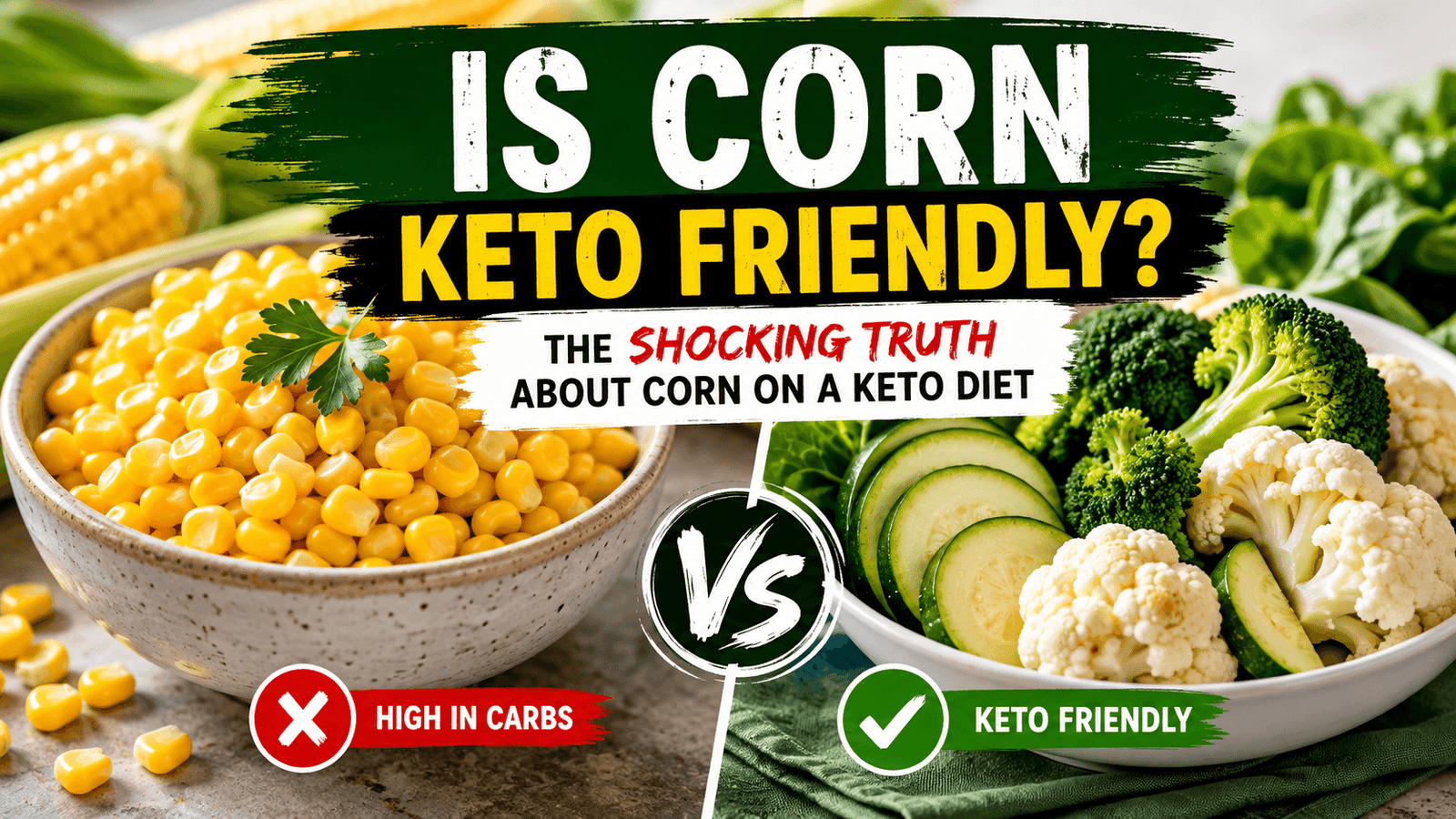
The short answer is: corn is generally not considered keto-friendly, especially if you’re following a strict ketogenic diet. Corn contains a significant amount of carbohydrates, and even a relatively small serving can use up a substantial portion of your daily carb allowance.
But there’s more to the story. The amount you eat, your individual carbohydrate limit, and how the corn is prepared all matter.
Let’s take a closer look at corn, its carb content, and some delicious low-carb alternatives you can enjoy instead.
Is Corn Keto Friendly?
For most people following a strict keto diet, corn is not the best choice.
Traditional ketogenic diets typically limit daily net carbohydrates to around 20–50 grams, although individual needs can vary. Since corn contains a considerable amount of carbohydrates, a normal serving can take up a large percentage of your daily allowance.
One cup of cooked sweet corn contains roughly 30 grams of carbohydrates, with only a few grams of dietary fiber. That means the net carb count can still be quite high for someone trying to maintain ketosis.
For comparison, many keto-friendly vegetables contain significantly fewer net carbs per serving.
This doesn’t mean corn is unhealthy. Corn provides nutrients such as fiber, folate, vitamin C, and other vitamins and minerals. The issue for keto isn’t necessarily whether corn is nutritious it’s primarily its carbohydrate content.
How Many Carbs Are in Corn?
Understanding the carbohydrate content is important when deciding whether a food fits into your keto meal plan.
A typical serving of cooked corn can contain approximately:
- Calories: 140–150
- Total carbohydrates: Around 30–32 grams
- Dietary fiber: Around 3–5 grams
- Net carbohydrates: Approximately 26–29 grams
- Protein: Around 4–5 grams
Exact nutrition numbers can vary depending on the type of corn and preparation method.
The important number for keto dieters is usually net carbs.
What Are Net Carbs?
Net carbs are calculated by subtracting dietary fiber from total carbohydrates.
Net Carbs = Total Carbohydrates − Fiber
Because fiber generally has little effect on blood glucose compared with digestible carbohydrates, many keto dieters use net carbs when planning their meals.
With corn, the net carbohydrate count remains relatively high even after accounting for fiber.
That’s why eating a full serving of corn can be difficult to fit into a strict keto diet.
Can You Eat Corn on Keto?
Technically, you may be able to eat a very small amount of corn and remain within your personal carbohydrate limit.
For example, adding a tablespoon or two of corn to a large salad is very different from eating an entire bowl of corn.
However, if your goal is to maintain nutritional ketosis consistently, there are many vegetables that provide more volume and nutrients for fewer net carbs.
Instead of using your daily carb allowance on corn, you may prefer options such as:
- Cauliflower
- Broccoli
- Zucchini
- Spinach
- Cabbage
- Mushrooms
- Green beans
- Asparagus
These vegetables can make it easier to stay within your carbohydrate target while still creating satisfying meals.
What About Baby Corn?
Baby corn is often confused with regular sweet corn, but it is harvested much earlier.
Interestingly, baby corn is generally lower in carbohydrates than mature sweet corn, making it potentially easier to incorporate into a low-carb meal.
However, portion size still matters.
If you’re following strict keto, don’t assume that unlimited baby corn is okay simply because it has fewer carbohydrates than mature corn. Check the nutrition label when buying canned or packaged varieties, because added ingredients can change the carbohydrate content.
Is Popcorn Keto Friendly?
Popcorn is another tricky food for people following keto.
Plain popcorn is a whole-grain food and does contain fiber, but it still provides carbohydrates. A small, carefully measured serving may fit into some people’s low-carb eating plans, but large portions can quickly increase your daily carb intake.
The bigger problem is often what gets added to popcorn.
Caramel coatings, sugary seasonings, and certain flavored popcorn products can contain additional carbohydrates and added sugars.
If you choose to eat popcorn while following a low-carb diet, carefully measure your portion and check the nutrition information.
Is Cornmeal Keto Friendly?
Cornmeal is made from dried corn that has been ground into a meal. Because it comes from corn, it is naturally high in carbohydrates.
Foods made with cornmeal, such as cornbread, corn muffins, and certain baked goods, are therefore generally not suitable for a strict ketogenic diet.
If you’re craving cornbread while following keto, look for recipes made with low-carb ingredients such as almond flour or coconut flour instead.
What About Corn Tortillas?
Traditional corn tortillas can also contain enough carbohydrates to make them difficult to fit into a strict keto meal plan.
One tortilla may not seem like much, but several tortillas combined with beans, rice, salsa, or other carbohydrate-rich ingredients can quickly add up.
Fortunately, there are many low-carb tortilla alternatives available, including tortillas made with almond flour, coconut flour, cheese, or other low-carb ingredients.
Why Is Corn High in Carbs?
Corn is technically a grain, although it’s commonly eaten like a vegetable.
Unlike many non-starchy vegetables, corn contains a relatively high amount of starch. Starch is a type of carbohydrate, and your body breaks down digestible starch into glucose.
That’s why corn has a significantly higher carbohydrate content than vegetables such as leafy greens, zucchini, or cauliflower.
This carbohydrate density is the main reason corn doesn’t usually fit well into a strict ketogenic eating pattern.
Best Keto-Friendly Alternatives to Corn
The good news is that you don’t have to give up your favorite recipes just because you’re avoiding corn.
There are several low-carb ingredients that can provide similar textures, colors, or flavors.
1. Cauliflower
Cauliflower is one of the most versatile keto vegetables. You can use it in salads, casseroles, soups, and even keto “rice.”
2. Chopped Zucchini
Zucchini can add moisture, texture, and mild flavor to many recipes. It’s particularly useful in soups, casseroles, and skillet dishes.
3. Cauliflower Rice
If you’re looking for a replacement for corn in rice-based dishes, cauliflower rice can be a great option. It’s low in carbohydrates and works well with many different flavors.
4. Chopped Bell Peppers
Bell peppers can provide color and a slight sweetness while keeping carbohydrates lower than corn. Just remember that carb content varies by pepper type and serving size.
5. Green Beans
Green beans have a satisfying texture and can work well in casseroles, salads, and side dishes.
6. Hemp Hearts
If you’re looking for a slightly nutty texture in salads or bowls, hemp hearts can be another useful low-carb addition.
How to Enjoy Corn Without Overdoing Carbs
If you really love corn and don’t want to completely eliminate it, portion control is key.
Instead of making corn the main ingredient, consider using a small amount as a garnish or flavor addition.
For example, you could add a tablespoon of corn to a large salad containing leafy greens, avocado, grilled chicken, cheese, and a low-carb dressing.
This allows you to enjoy the flavor without consuming a large serving.
However, whether this fits your keto plan depends on your individual daily carbohydrate target and what else you’ve eaten that day.
Is Corn Syrup Keto Friendly?
This is an important distinction.
Corn syrup is not keto-friendly.
Corn syrup is a concentrated sweetener made primarily from glucose. It can contain a substantial amount of sugar and carbohydrates and is commonly found in processed foods, sauces, candies, desserts, and beverages.
High-fructose corn syrup is also a major source of added sugar in many processed foods.
If you’re following keto, check ingredient labels carefully for corn syrup and high-fructose corn syrup.
The Final Verdict: Is Corn Keto Friendly?
So, is corn keto friendly?
For most people following a strict ketogenic diet, corn is best limited or avoided because it is relatively high in carbohydrates compared with low-carb vegetables.
A small amount may fit into some people’s daily carbohydrate allowance, but eating a standard serving can use a significant portion of the carbs available for the entire day.
If you’re looking for keto-friendly vegetables, focus on low-carb choices such as cauliflower, broccoli, zucchini, spinach, asparagus, mushrooms, and cabbage.
And remember: keto isn’t about labeling individual foods as simply “good” or “bad.” Your overall carbohydrate intake, portion sizes, food quality, and personal nutritional needs all matter.
If you’re unsure whether a particular food fits your diet, check its nutrition information and consider discussing your dietary goals with a qualified healthcare or nutrition professional.
Note: Corn can be nutritious, but because of its carbohydrate content, it isn’t usually the best choice for a strict keto diet. When in doubt, choose a lower-carb vegetable that gives you more flexibility with your daily carb budget.