If you’re following a keto diet, you may have wondered, “Can I eat fruit on keto?” The short answer is yes—but not all fruits are equally keto-friendly.
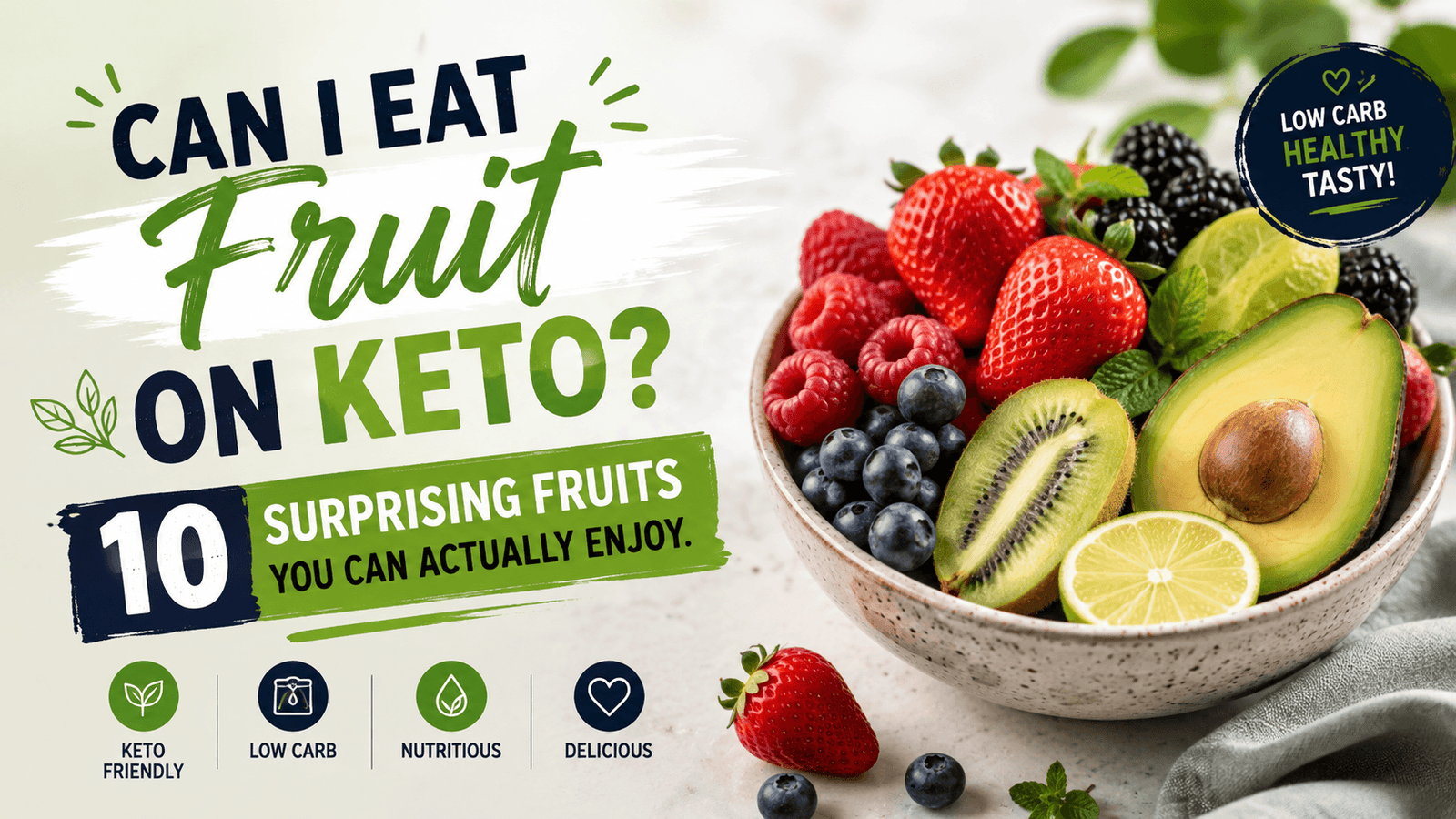
Traditional keto diets focus on keeping carbohydrate intake low enough to support ketosis. Because many fruits contain natural sugars and carbohydrates, some varieties can quickly use up a large portion of your daily carb allowance. However, that doesn’t mean you have to give up fruit completely.
There are several low-carb fruits for keto that can fit comfortably into a well-planned ketogenic lifestyle. Berries, avocado, coconut, and a few other options can provide important nutrients while adding natural sweetness and variety to your meals.
In this guide, we’ll look at 10 surprising fruits you can actually enjoy on keto, which fruits to limit, and how to include fruit without going over your carbohydrate goals.
Can I Eat Fruit on Keto?
Yes, you can eat fruit on keto, but portion size and carbohydrate content matter.
The keto diet generally limits carbohydrates significantly, so choosing fruits with fewer net carbs can make it easier to stay within your daily target.
Instead of completely eliminating fruit, think about choosing fruits that provide:
- Fewer carbohydrates per serving
- Plenty of fiber
- Vitamins and minerals
- Natural antioxidants
- Reasonable portion sizes
The term net carbs generally refers to total carbohydrates minus fiber. Since fiber is not fully digested like other carbohydrates, many keto followers use net carbs when planning their meals.
However, individual carbohydrate needs can vary. If you’re following a medically prescribed ketogenic diet, follow the guidance of your healthcare professional.
10 Surprising Fruits You Can Actually Enjoy on Keto
1. Avocado
Avocado is one of the most popular fruits for keto—and yes, technically, avocado is a fruit.
Unlike many sweet fruits, avocado is naturally low in carbohydrates and rich in healthy fats and fiber. It can make a satisfying addition to keto meals.
Try adding avocado to:
- Keto salads
- Egg dishes
- Low-carb wraps
- Keto bowls
- Guacamole
- Smoothies
Its creamy texture also makes it useful in keto-friendly desserts.
2. Blackberries
Blackberries are an excellent choice when you’re looking for a sweet fruit that fits into a low-carb lifestyle.
They provide fiber and antioxidants while offering relatively few carbohydrates compared with many tropical fruits.
You can enjoy blackberries:
- With unsweetened Greek yogurt
- With chia pudding
- As a topping for keto pancakes
- In a low-carb smoothie
- With whipped cream
Keep your serving size reasonable, especially if you’re tracking your daily carbs closely.
3. Raspberries
Raspberries are another excellent option for keto.
They contain fiber and have a naturally tart, sweet flavor that can satisfy a craving for something fruity without requiring a large serving.
Try combining raspberries with:
Unsweetened Greek yogurt + chia seeds + a few raspberries
This makes a simple keto-friendly breakfast or snack.
Raspberries can also be added to low-carb desserts and homemade keto chia pudding.
4. Strawberries
Strawberries are one of the easiest fruits to include in a keto meal plan.
They’re naturally sweet, versatile, and work well in both breakfast and dessert recipes.
You can enjoy sliced strawberries with:
- Full-fat unsweetened yogurt
- Whipped cream
- Chia pudding
- Keto pancakes
- Low-carb cheesecake
Because strawberries are easy to overeat, portion control is still important when you’re monitoring carbohydrates.
5. Blueberries
Blueberries can fit into keto, but they’re worth eating in moderation because their carbohydrate content is higher than some other berries.
A small portion can add plenty of flavor to a meal without requiring a large amount.
Try sprinkling a small number of blueberries over:
- Keto yogurt bowls
- Chia pudding
- Low-carb pancakes
- Cottage cheese
- Keto-friendly desserts
Think of blueberries as a small topping rather than a large bowl of fruit.
6. Lemons
Lemons are technically fruits, and their strong flavor means you usually consume them in small quantities.
A squeeze of lemon can add freshness to keto meals without contributing a large amount of carbohydrate.
Use lemon to flavor:
- Water
- Seafood
- Chicken
- Salads
- Homemade keto dressings
- Herbal teas
Lemon zest can also add a bright citrus flavor to keto desserts.
7. Limes
Like lemons, limes can be useful on keto because they’re typically consumed in relatively small amounts.
Fresh lime juice can make keto meals much more flavorful.
Try adding lime to:
- Guacamole
- Keto tacos
- Grilled chicken
- Seafood
- Salads
- Sparkling water
Fresh lime can help you add flavor without relying on sugary sauces or dressings.
8. Coconut
Coconut can be a useful keto-friendly fruit, particularly in unsweetened forms.
You’ll find coconut in several keto products and recipes, including:
- Unsweetened shredded coconut
- Coconut milk
- Coconut cream
- Coconut flour
Always check the nutrition label when purchasing packaged coconut products because some products contain added sugar.
For keto baking, unsweetened coconut can add texture and flavor to cookies, energy bites, cakes, and other low-carb treats.
9. Star Fruit
Star fruit is a less commonly discussed fruit that can sometimes fit into a low-carb diet when eaten in moderation.
It has a mild, slightly sweet flavor and can be sliced into salads or eaten as a small snack.
As with any fruit on keto, portion size matters. If you’re closely tracking carbohydrates, check the nutrition information for your serving.
10. Olives
Here’s another surprising one: olives are technically fruits.
They are low in carbohydrates and can be a convenient addition to a ketogenic meal plan.
Olives work particularly well in:
- Keto salads
- Mediterranean-inspired meals
- Cheese plates
- Chicken dishes
- Low-carb snacks
They’re also an easy way to add savory flavor to meals without reaching for high-carb sauces.
Fruits to Limit or Avoid on Keto
Now that we’ve covered keto-friendly options, what about fruits that are higher in carbohydrates?
Some fruits can be more difficult to fit into a strict keto diet, especially when consumed in larger portions.
Examples include:
- Bananas
- Grapes
- Mangoes
- Pineapple
- Cherries
- Dates
- Figs
- Dried fruit
This doesn’t necessarily mean these foods are unhealthy. They can contain valuable nutrients, but their carbohydrate content may make them less suitable for a strict ketogenic diet.
Dried fruit deserves particular attention because removing water makes it much easier to consume a large amount of fruit—and therefore a large amount of natural sugar and carbohydrates—in a small serving.
What About Fruit Juice on Keto?
Fruit juice is generally much harder to fit into a strict keto diet.
Juice can contain a significant amount of naturally occurring sugar while providing less fiber than whole fruit.
For example, drinking a glass of fruit juice can make it easy to consume the equivalent of several pieces of fruit without feeling as full.
If you want fruit flavor while following keto, consider:
- Infused water with lemon or lime
- Small servings of berries
- Unsweetened berry smoothies
- Low-carb fruit-based desserts
Always check labels for added sugar.
How Much Fruit Can You Eat on Keto?
There’s no single amount of fruit that works for everyone on keto.
Your ideal serving depends on factors such as:
- Your daily carbohydrate target
- Your overall diet
- Your activity level
- The type of fruit
- Your individual nutritional needs
The key is to treat fruit as part of your daily carbohydrate budget rather than something you can eat without limits.
A small serving of berries may fit easily into one person’s keto plan, while another person may need to be more restrictive.
Tips for Eating Fruit on Keto
If you’re trying to enjoy fruit while staying low-carb, these simple strategies can help.
Choose berries more often
Strawberries, raspberries, and blackberries are generally easier to fit into a keto diet than many high-carb fruits.
Watch your portions
Even keto-friendly fruits contain carbohydrates. A large serving can add up quickly.
Choose whole fruit
Whole fruit generally provides more fiber and tends to be more filling than juice.
Avoid added sugar
Check yogurt, canned fruit, smoothies, sauces, and packaged snacks for added sugars.
Track your carbohydrates
If you’re following a strict keto plan, tracking your food intake can help you understand how different fruits fit into your daily carbohydrate budget.
Final Thoughts: Can I Eat Fruit on Keto?
So, can I eat fruit on keto? Absolutely—but choosing the right fruits and keeping portions under control is important.
Low-carb choices such as avocado, blackberries, raspberries, strawberries, lemons, limes, unsweetened coconut, and olives can add flavor and nutritional variety to a ketogenic lifestyle.
At the same time, higher-carb fruits such as bananas, grapes, mangoes, pineapple, and dried fruit may be more difficult to fit into a strict keto plan.
The goal isn’t necessarily to fear fruit. Instead, learn which options work best for your carbohydrate target, pay attention to portions, and build your meals around nutrient-dense foods.
If you’re looking for more inspiration, explore our collection of keto recipes, keto guides, and practical keto resources to make low-carb eating easier and more enjoyable.
Frequently Asked Questions
Can I eat berries on keto?
Yes. Berries such as strawberries, raspberries, and blackberries can generally fit into a keto diet when consumed in appropriate portions.
What is the lowest-carb fruit for keto?
Avocado is one of the lowest-carb fruits and is particularly popular on keto because it also provides fiber and fat. Olives are another very low-carb fruit.
Can I eat bananas on keto?
Bananas are relatively high in carbohydrates, so they may be difficult to fit into a strict keto diet. If you eat them, portion size should be carefully considered.
Is watermelon keto-friendly?
Watermelon can contain a significant amount of carbohydrates, so it is generally better enjoyed in small portions when following a strict keto diet.
Can I drink fruit juice on keto?
Fruit juice is usually not ideal for a strict keto diet because it can contain a concentrated amount of natural sugars and carbohydrates. Whole, low-carb fruit is generally a better option.