If you’re considering a ketogenic diet and have concerns about cholesterol, you may be wondering: Will keto diet reduce cholesterol?
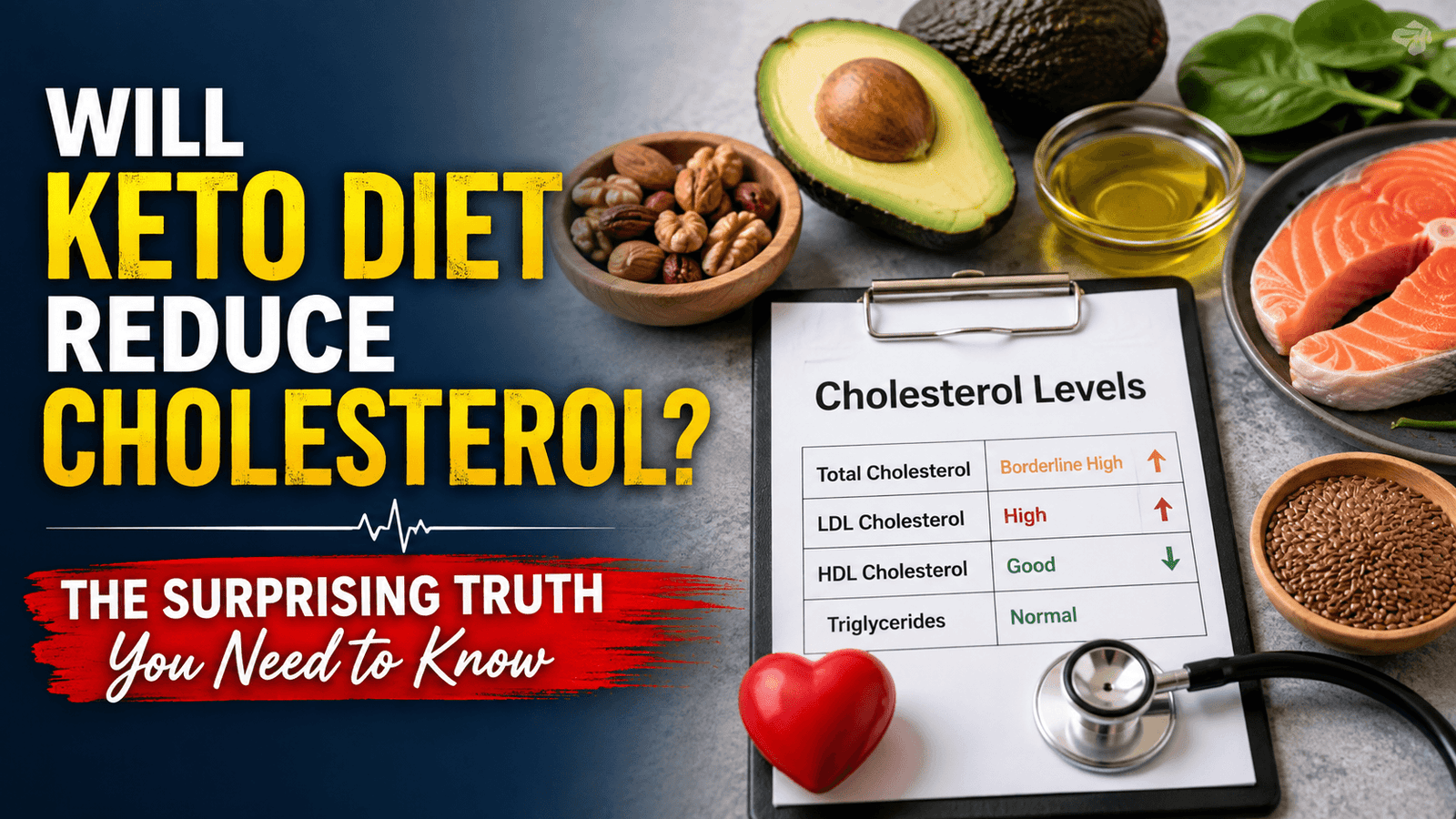
The answer isn’t as simple as yes or no.
A ketogenic diet can affect different parts of your cholesterol and blood lipid profile in different ways. Some people experience lower triglycerides and higher HDL (“good”) cholesterol after reducing carbohydrates. However, LDL (“bad”) cholesterol and total cholesterol can increase in some people, particularly depending on the types of fats and foods included in the diet.
Recent research suggests that keto may improve some markers while worsening others, which is why your overall food choices and individual health profile matter.
So, before assuming that keto will automatically lower your cholesterol, let’s look at what actually happens.
What Is Cholesterol and Why Does It Matter?
Cholesterol is a waxy substance your body needs to perform important functions, including building cells and making certain hormones.
Your liver produces cholesterol, and some also comes from animal-based foods. However, having unhealthy levels of cholesterol in your blood can increase your risk of cardiovascular disease.
When doctors evaluate cholesterol, they generally look at several measurements:
- LDL cholesterol: Often called “bad” cholesterol because elevated levels are associated with a higher risk of cardiovascular disease.
- HDL cholesterol: Often called “good” cholesterol because higher levels are generally associated with better cardiovascular health.
- Triglycerides: Another type of fat in the blood that can be elevated alongside other cardiovascular risk factors.
- Total cholesterol: A combined measure that provides part of the overall lipid picture.
A standard lipid panel can measure these markers and help your healthcare professional assess your cardiovascular risk.
This is important because focusing only on total cholesterol may give you an incomplete picture.
So, Will Keto Diet Reduce Cholesterol?
Not necessarily.
The ketogenic diet can produce different changes in different blood lipid markers.
A recent systematic review and meta-analysis of randomized controlled trials found that ketogenic diets significantly reduced triglycerides and increased HDL cholesterol. However, the analysis also found increases in LDL cholesterol and total cholesterol compared with control diets.
Another 2026 meta-analysis involving 62 randomized controlled trials reported a similar pattern: triglycerides decreased, HDL increased, while LDL and total cholesterol increased modestly.
That means the better question isn’t simply:
“Does keto lower cholesterol?”
Instead, ask:
“How does a ketogenic diet affect my complete lipid profile?”
For some people, keto may improve certain markers while increasing LDL cholesterol.
Why Can Keto Lower Triglycerides?
One of the more consistent effects seen with low-carbohydrate and ketogenic diets is a reduction in triglycerides.
When carbohydrate intake is substantially reduced, the body changes how it uses and stores energy. This can influence triglyceride metabolism.
Research comparing low-carbohydrate and low-fat diets has found that low-carbohydrate diets can improve triglycerides and HDL cholesterol, although LDL cholesterol may respond differently.
This is one reason keto has attracted attention among people interested in metabolic health.
However, lower triglycerides don’t automatically mean that every aspect of cardiovascular risk has improved.
Your complete lipid profile and overall risk factors still matter.
What Happens to LDL Cholesterol on Keto?
This is where things become more complicated.
LDL cholesterol is an important cardiovascular risk marker. The American Heart Association explains that elevated LDL can contribute to plaque buildup in arteries and increase cardiovascular risk.
Some people following a ketogenic diet see their LDL cholesterol remain stable or decrease. Others experience a noticeable increase.
The difference may be influenced by factors such as:
- The types of fats consumed
- Overall diet quality
- Genetics
- Weight changes
- Baseline cholesterol levels
- Individual metabolism
- The amount of saturated fat in the diet
Therefore, keto should not be treated as a guaranteed cholesterol-lowering diet.
In fact, the latest randomized-trial evidence found that ketogenic diets increased LDL cholesterol on average, although the magnitude of the change was relatively modest in the pooled analysis.
Does Keto Increase HDL Cholesterol?
It can.
HDL cholesterol is commonly referred to as “good” cholesterol. Recent research has found that ketogenic diets can increase HDL cholesterol while also lowering triglycerides.
This can look encouraging when reviewing a lipid panel.
However, it’s important not to judge cardiovascular health based on HDL alone.
A higher HDL number does not automatically cancel out an elevated LDL level. Current cholesterol management focuses on overall cardiovascular risk and atherogenic lipoproteins rather than relying on a single cholesterol measurement.
The Type of Fat You Eat on Keto Matters
One of the biggest mistakes people make when starting keto is assuming that all high-fat foods are equally beneficial.
They’re not.
A keto diet can be built around nutrient-dense foods such as:
- Avocado
- Olive oil
- Fatty fish
- Nuts and seeds
- Non-starchy vegetables
- Eggs
- Leaner sources of protein
- Minimally processed foods
It can also be built around large amounts of butter, processed meats, fatty cuts of meat, cream and other foods high in saturated fat.
These approaches aren’t nutritionally identical.
The American Heart Association’s 2026 dietary guidance recommends choosing unsaturated fats instead of saturated fats as part of a heart-healthy eating pattern and emphasizes minimally processed foods.
So if you’re following a keto diet and concerned about cholesterol, the quality of the fat sources deserves serious attention.
Can Keto Be Better for Cholesterol If You Do It the Right Way?
A well-planned ketogenic diet can be very different from a diet based heavily on processed meats, butter and other foods high in saturated fat.
If you choose to follow a low-carbohydrate eating pattern, consider emphasizing:
1. Unsaturated fats
Include foods such as avocado, olive oil, nuts, seeds and fatty fish.
2. Plenty of non-starchy vegetables
Leafy greens, broccoli, cauliflower, zucchini, mushrooms and other low-carbohydrate vegetables can provide fiber and micronutrients.
3. Quality protein sources
Choose a variety of minimally processed protein sources according to your individual dietary needs.
4. Fewer ultra-processed foods
“Keto” on a food label doesn’t automatically mean that a product is nutritious.
5. Watch your saturated fat intake
If your LDL cholesterol rises after starting keto, review how much saturated fat you’re consuming and discuss your results with a healthcare professional.
The American Heart Association recommends a dietary pattern rich in vegetables, fruits, healthy protein sources, minimally processed foods and unsaturated fats while limiting foods high in saturated fat.
What About Weight Loss and Cholesterol?
Weight loss itself can influence blood lipid levels, which makes it difficult to attribute every change specifically to carbohydrate restriction.
Low-carbohydrate diets can help some people lose weight, and research has found improvements in triglycerides and HDL in low-carbohydrate eating patterns. However, LDL and total cholesterol may respond differently.
This is another reason to look beyond the scale.
If you’re using keto for weight management, it can be useful to monitor both your progress and relevant health markers rather than assuming that weight loss automatically means every blood marker has improved.
Should You Check Your Cholesterol Before and After Keto?
If cholesterol is one of your concerns, discussing testing with your healthcare professional is a sensible approach.
A lipid panel can measure:
- Total cholesterol
- LDL cholesterol
- HDL cholesterol
- Triglycerides
The American Heart Association notes that lipid testing helps evaluate these blood fats and can be used alongside other information to understand cardiovascular risk.
If you already have high LDL cholesterol, cardiovascular disease, diabetes, a strong family history of heart disease, or another medical condition affecting your cardiovascular risk, don’t rely on diet changes alone.
Your healthcare professional can help determine whether lifestyle changes, monitoring, medication, or a combination of approaches is appropriate.
5 Simple Tips for a More Heart-Conscious Keto Diet
If you want to follow keto while paying attention to your cholesterol, these practical habits may help:
1. Prioritize whole foods.
Build your meals around vegetables, quality protein, healthy fats and minimally processed foods.
2. Choose unsaturated fats more often.
Use foods such as olive oil, avocado, nuts, seeds and fish instead of relying heavily on saturated-fat-rich foods.
3. Don’t treat “keto” as a health guarantee.
A food can be low in carbohydrates and still be highly processed or nutritionally unbalanced.
4. Monitor your lipid profile.
If you’re making a major dietary change, ask your healthcare professional whether cholesterol testing is appropriate for you.
5. Look at the whole picture.
LDL, HDL, triglycerides, blood pressure, weight, blood sugar, physical activity and family history can all contribute to cardiovascular risk.
The Bottom Line: Will Keto Diet Reduce Cholesterol?
So, will keto diet reduce cholesterol?
The surprising truth is that it depends on which cholesterol or lipid marker you’re talking about — and how the diet is constructed.
Current evidence suggests that ketogenic diets can reduce triglycerides and increase HDL cholesterol. However, LDL cholesterol and total cholesterol may also increase in some people.
Therefore, keto shouldn’t be considered a guaranteed strategy for lowering cholesterol.
If you’re interested in keto, focus on high-quality foods, emphasize unsaturated fats, include plenty of low-carbohydrate vegetables, limit highly processed foods, and pay attention to your individual blood-test results.
Most importantly, don’t make decisions about cholesterol based on one number or a popular diet trend. Your personal cardiovascular risk is more complicated than that.
Keto can be a useful eating pattern for some people, but the best approach is the one that supports your overall health and can be followed safely and consistently.
Disclaimer: This article is for educational purposes only and is not medical advice. If you have high cholesterol, cardiovascular disease, diabetes, take cholesterol-lowering medication, or have other health concerns, speak with a qualified healthcare professional before making significant dietary changes.